Galapagos Island
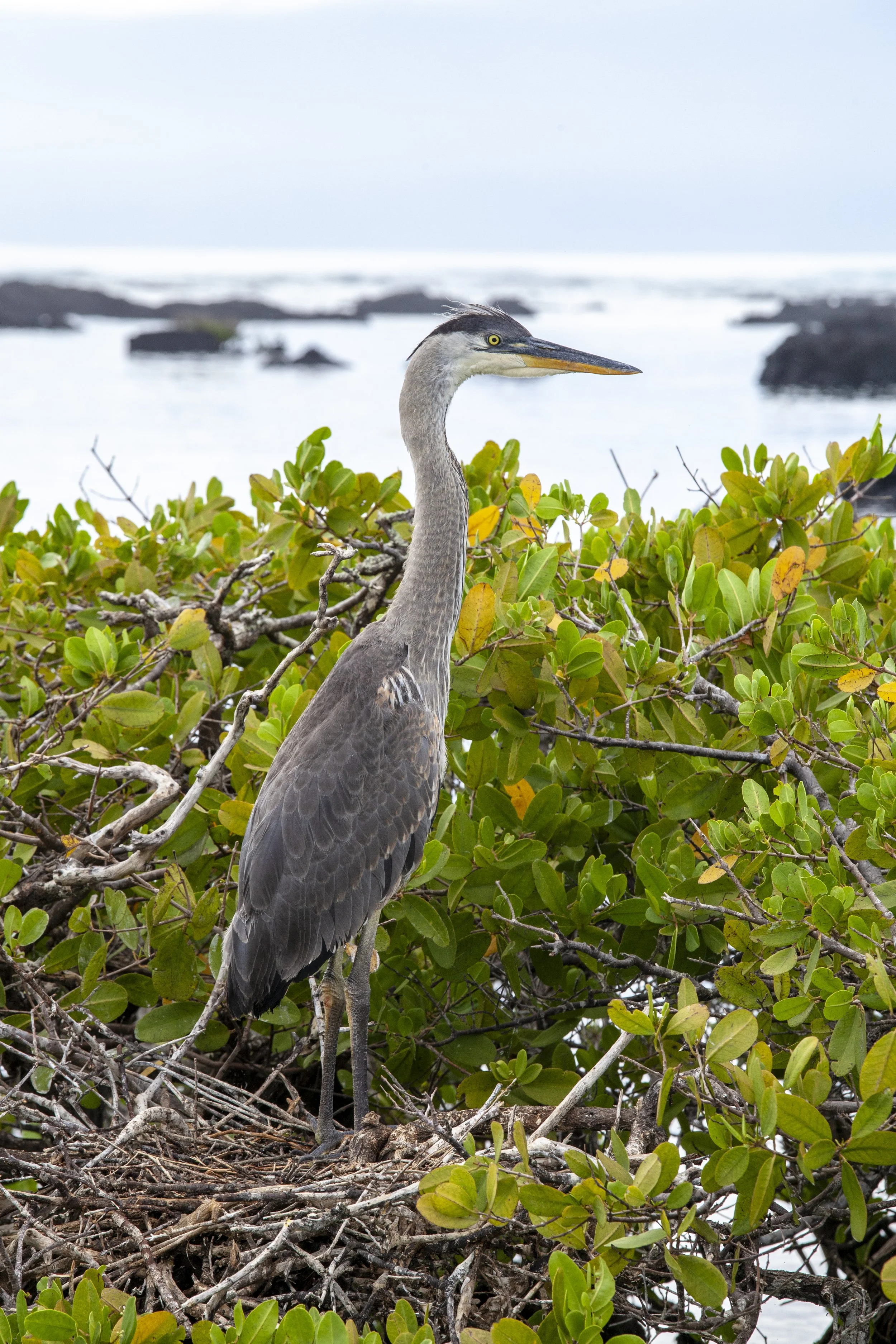
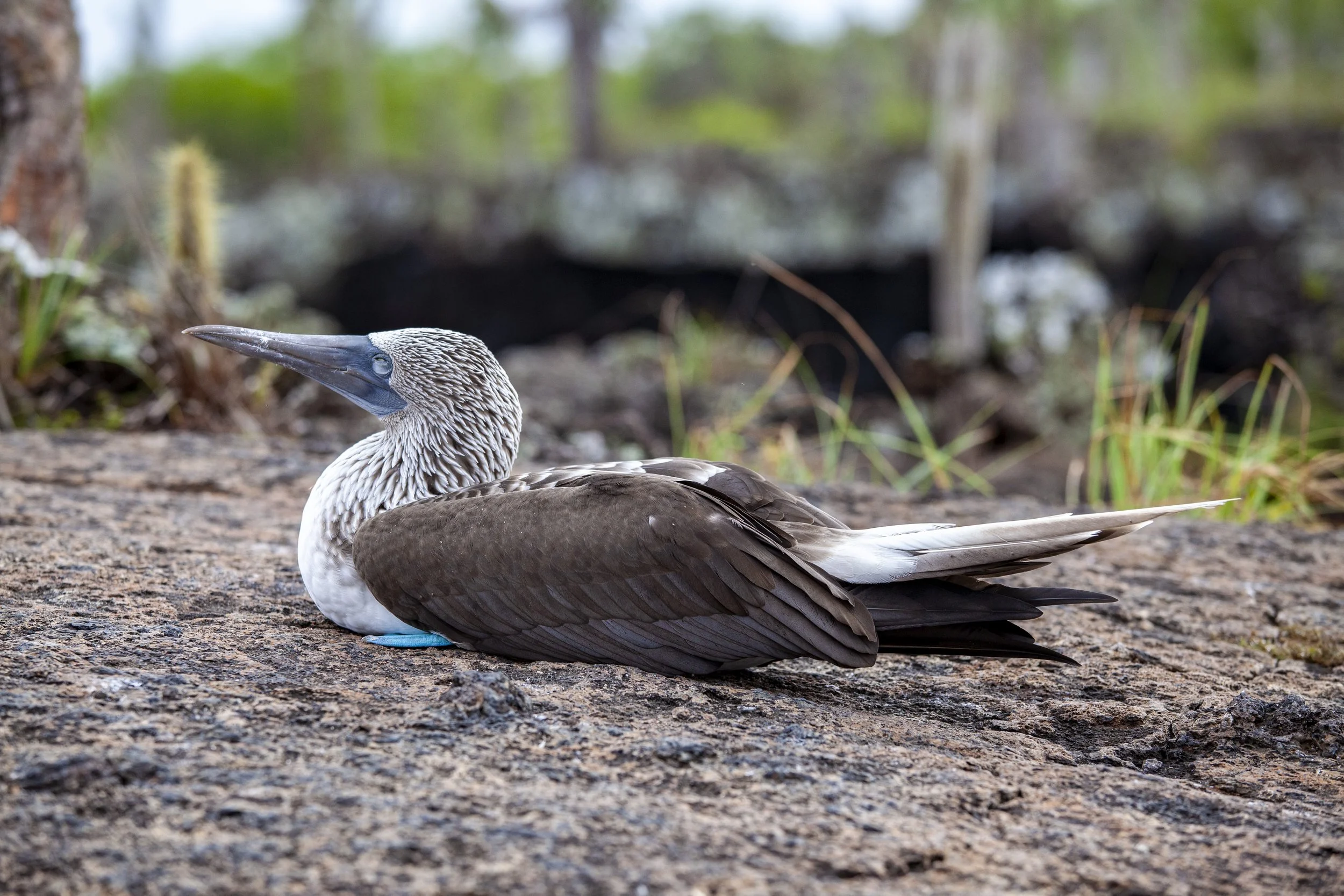
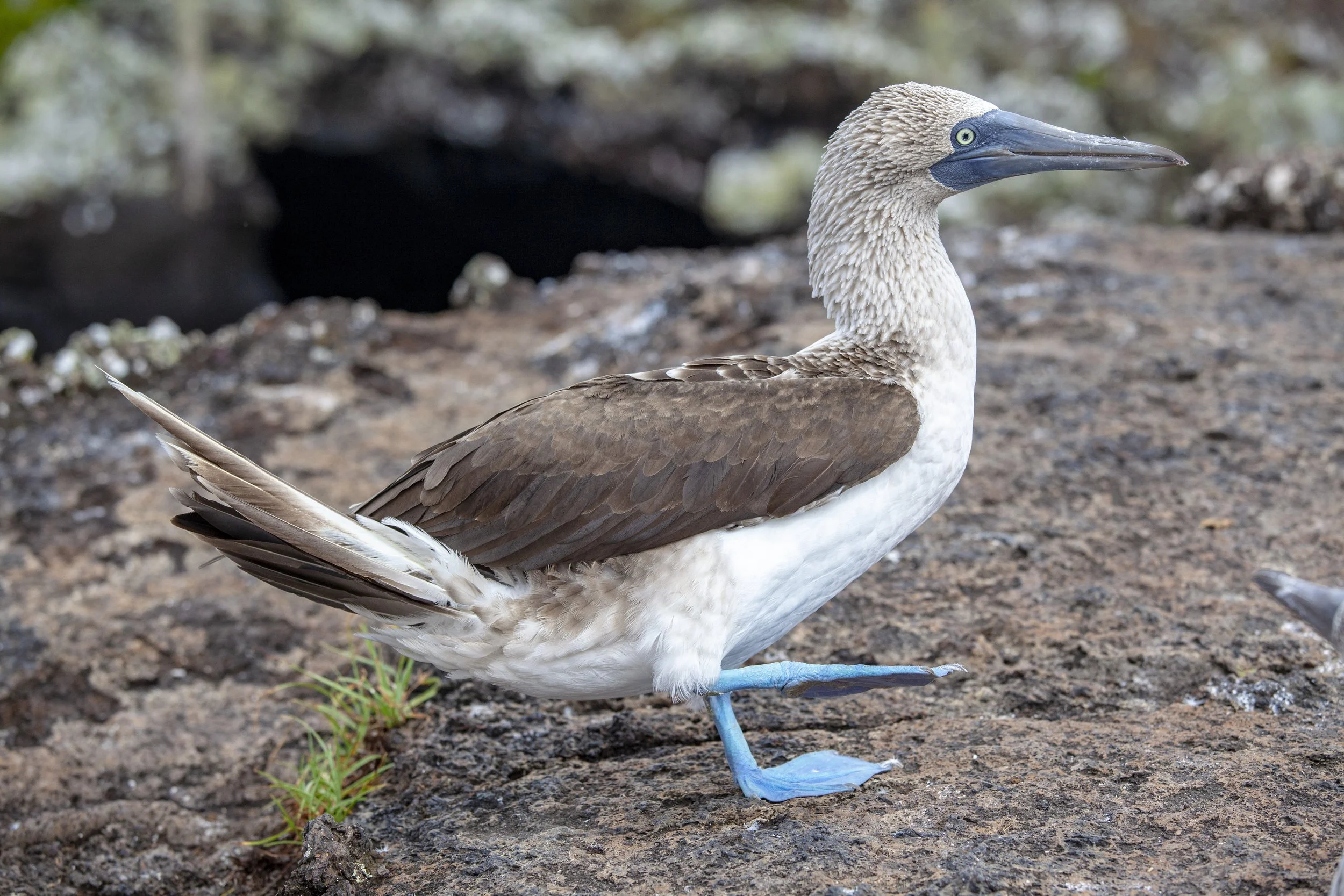
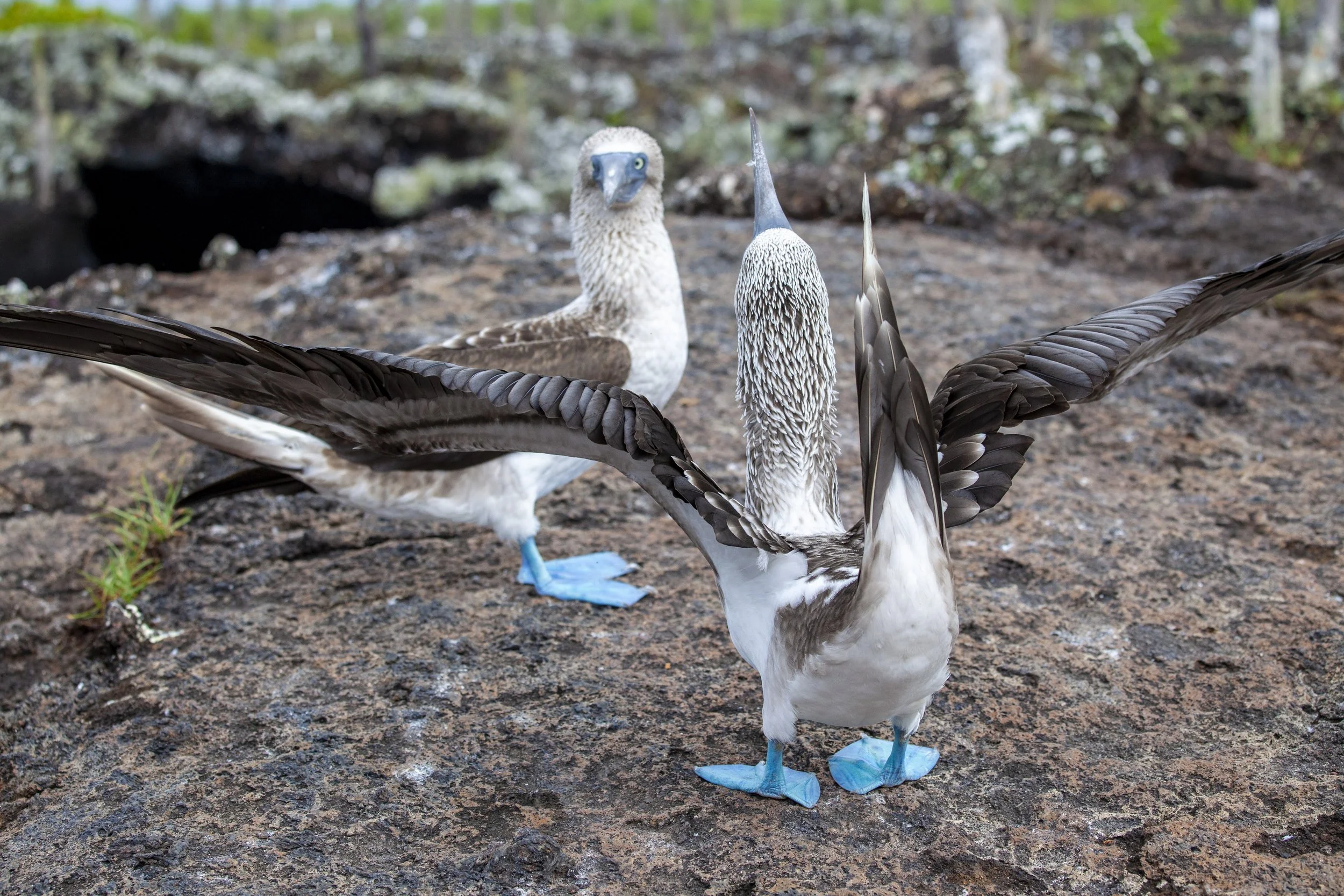
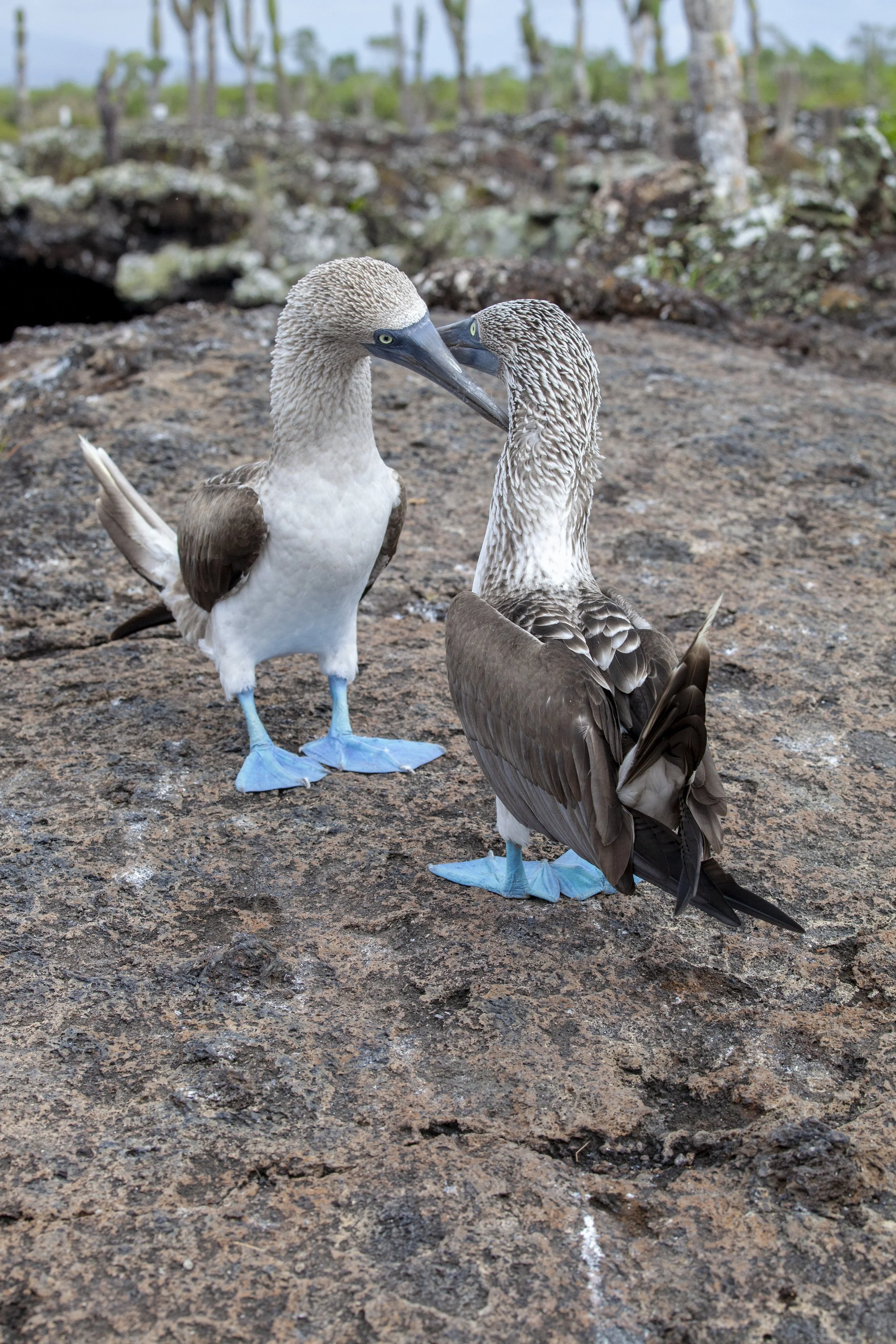
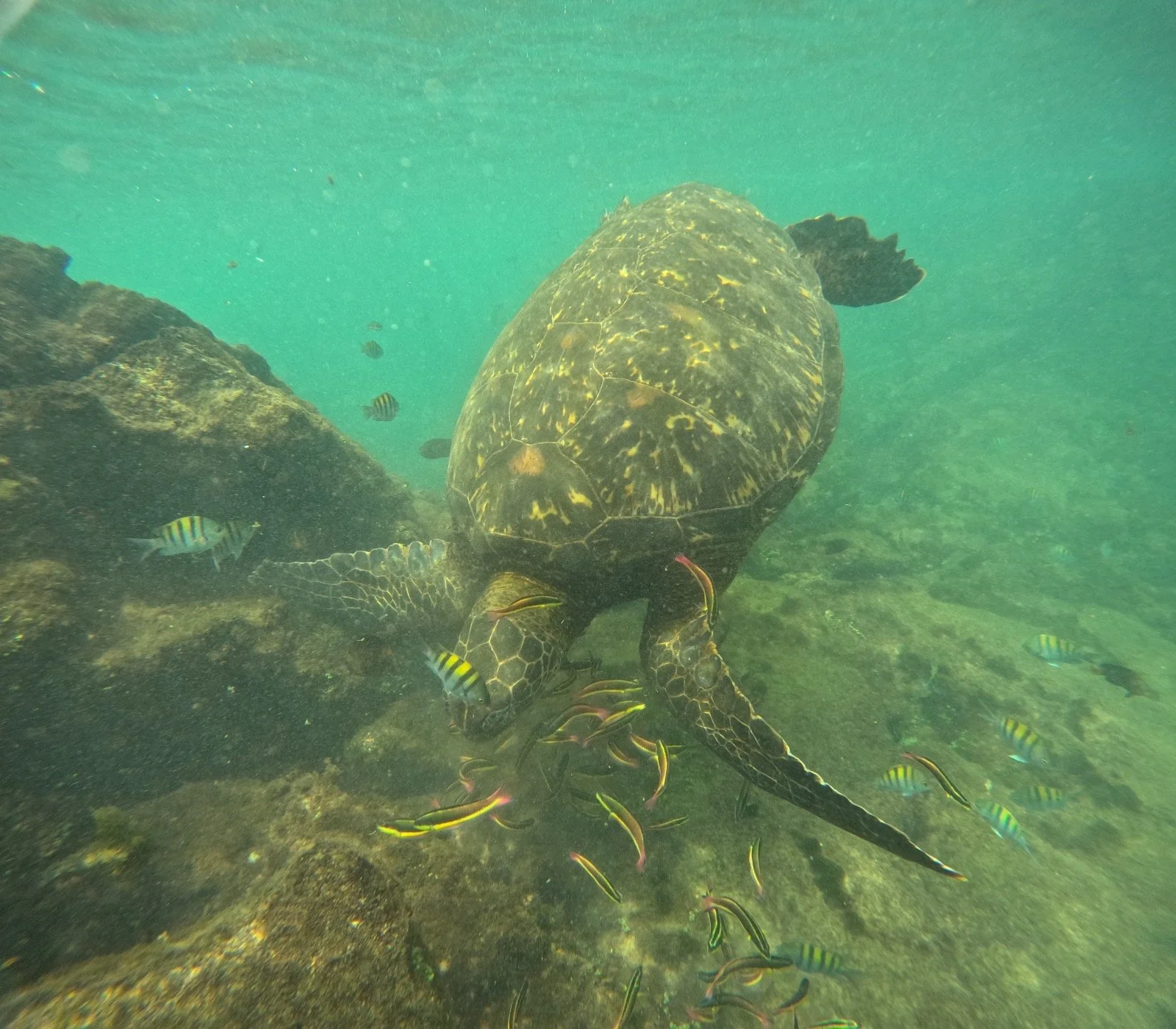
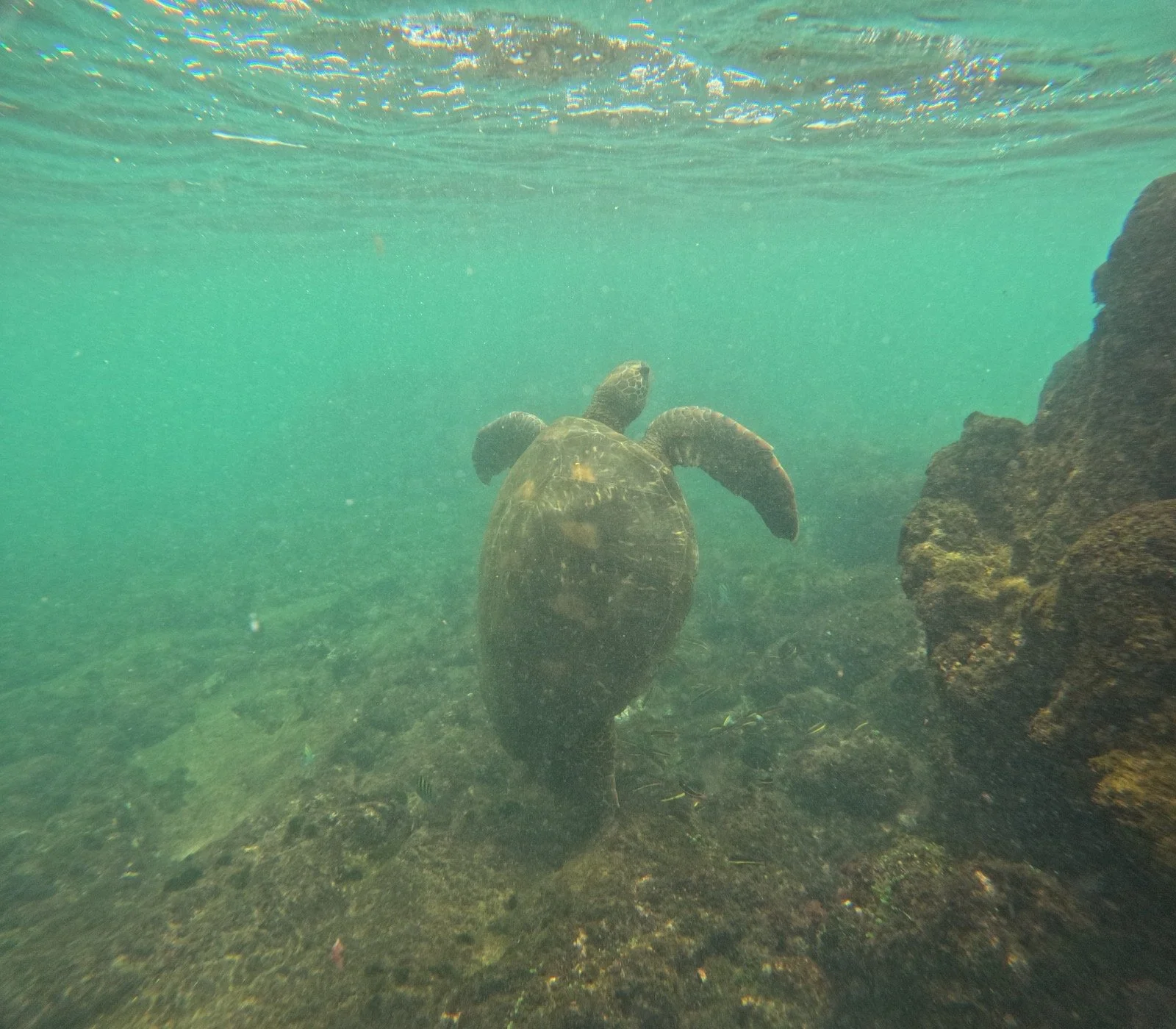
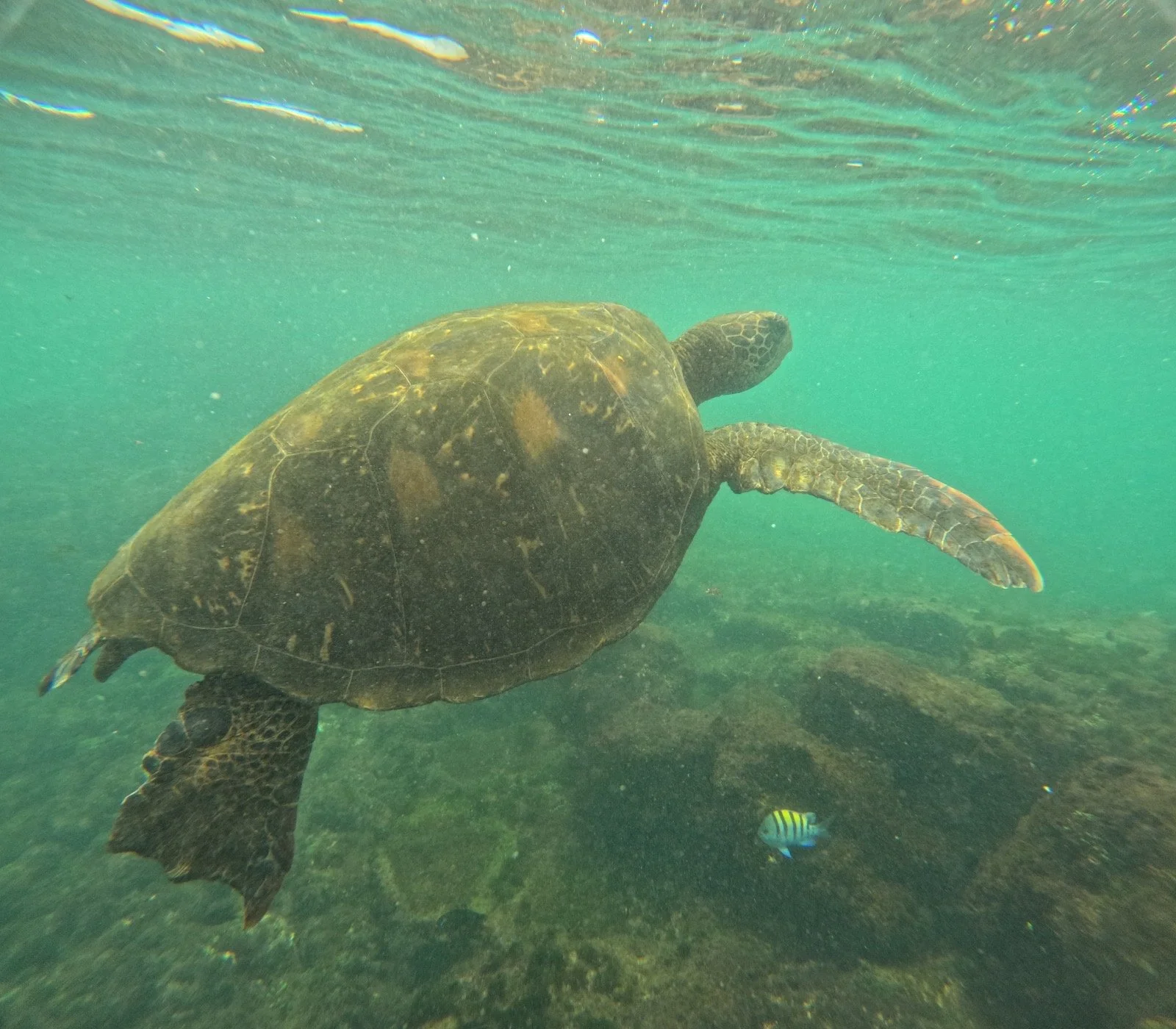
Roughly 1,000 kilometers off the coast of Ecuador, the Galápagos Islands rise from the Pacific like a reminder that nature, left to its own devices, does extraordinary things. This volcanic archipelago — 13 major islands, dozens of smaller ones — is where Charles Darwin famously sharpened his thinking on natural selection, and it remains one of the most ecologically intact places on earth.
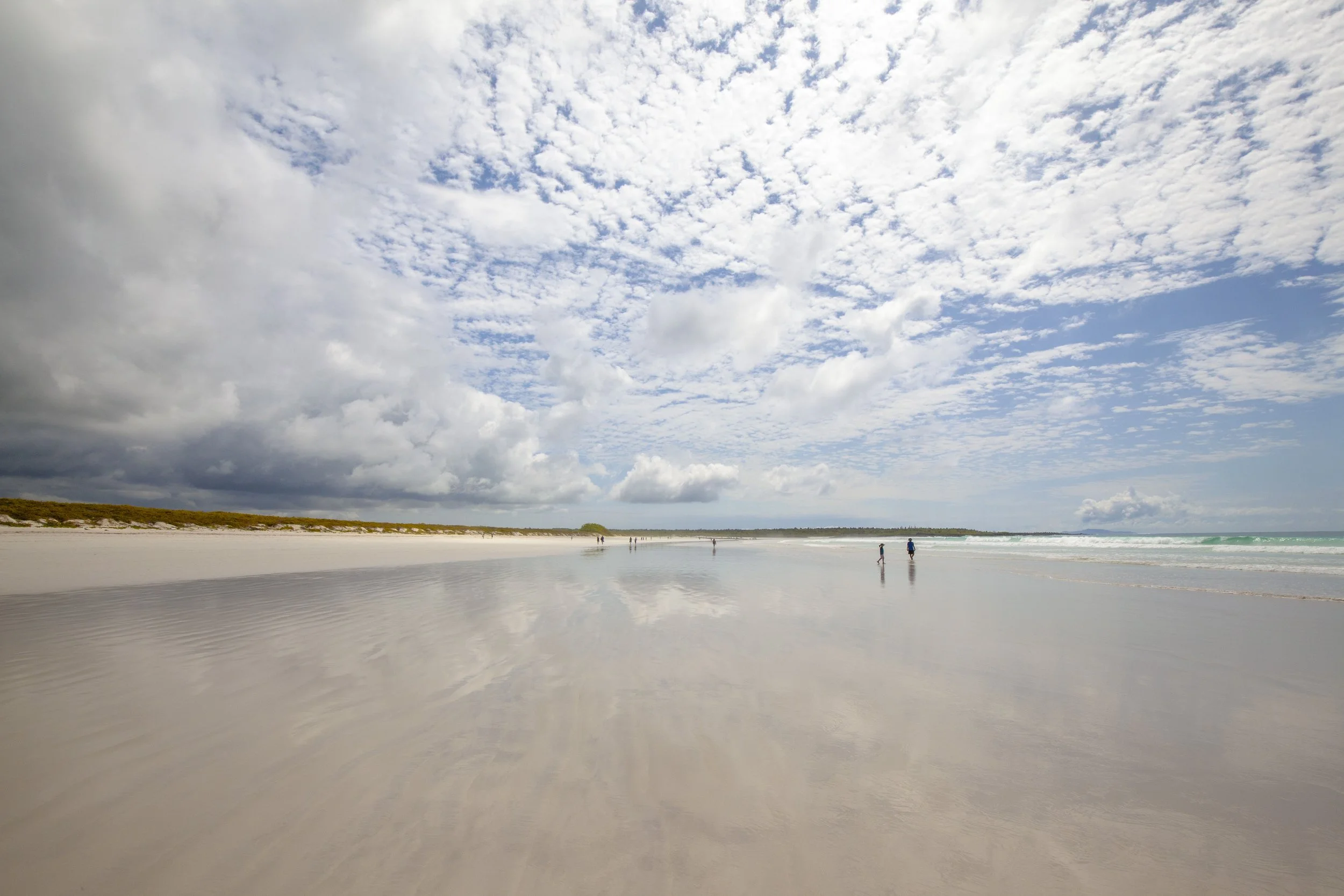
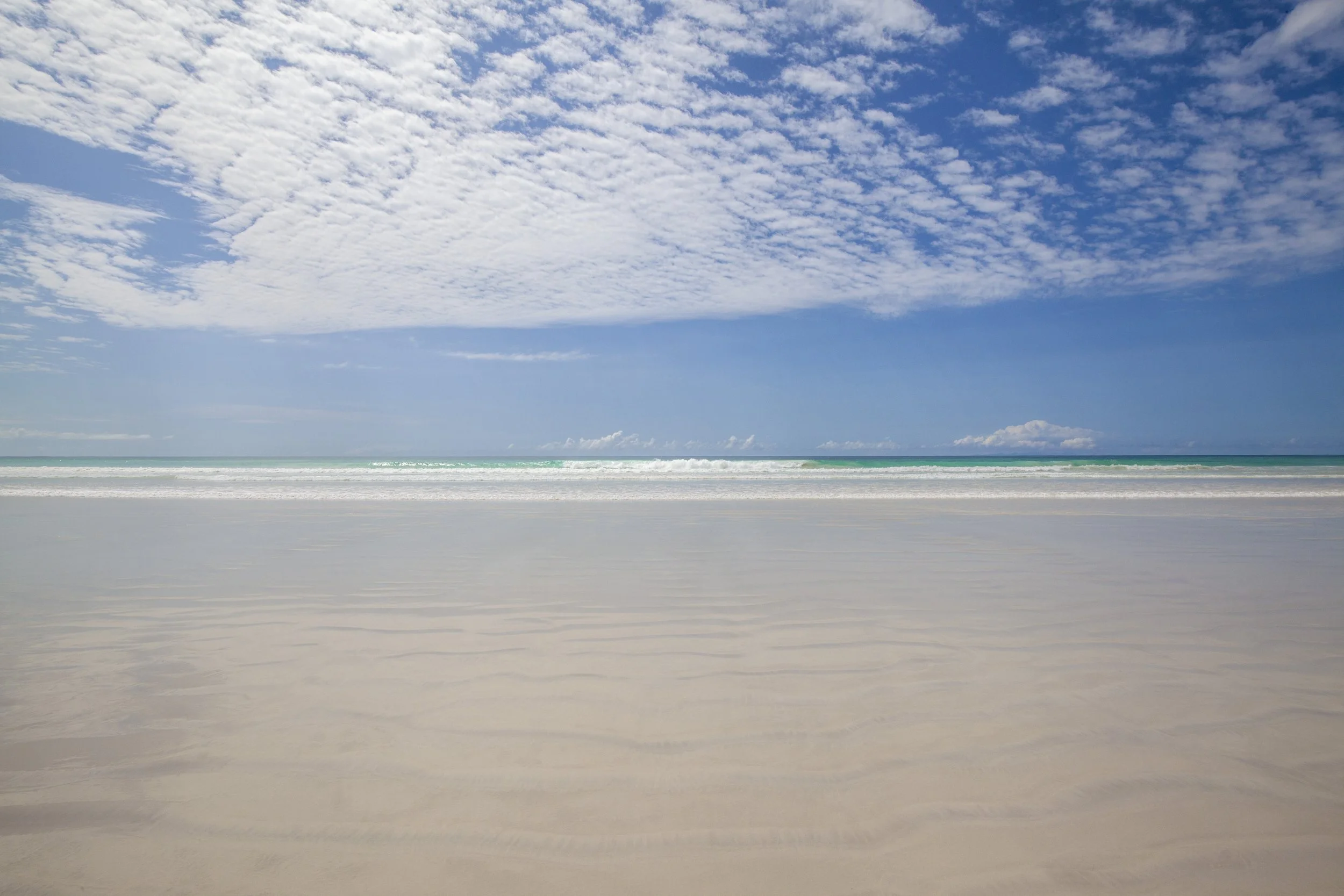
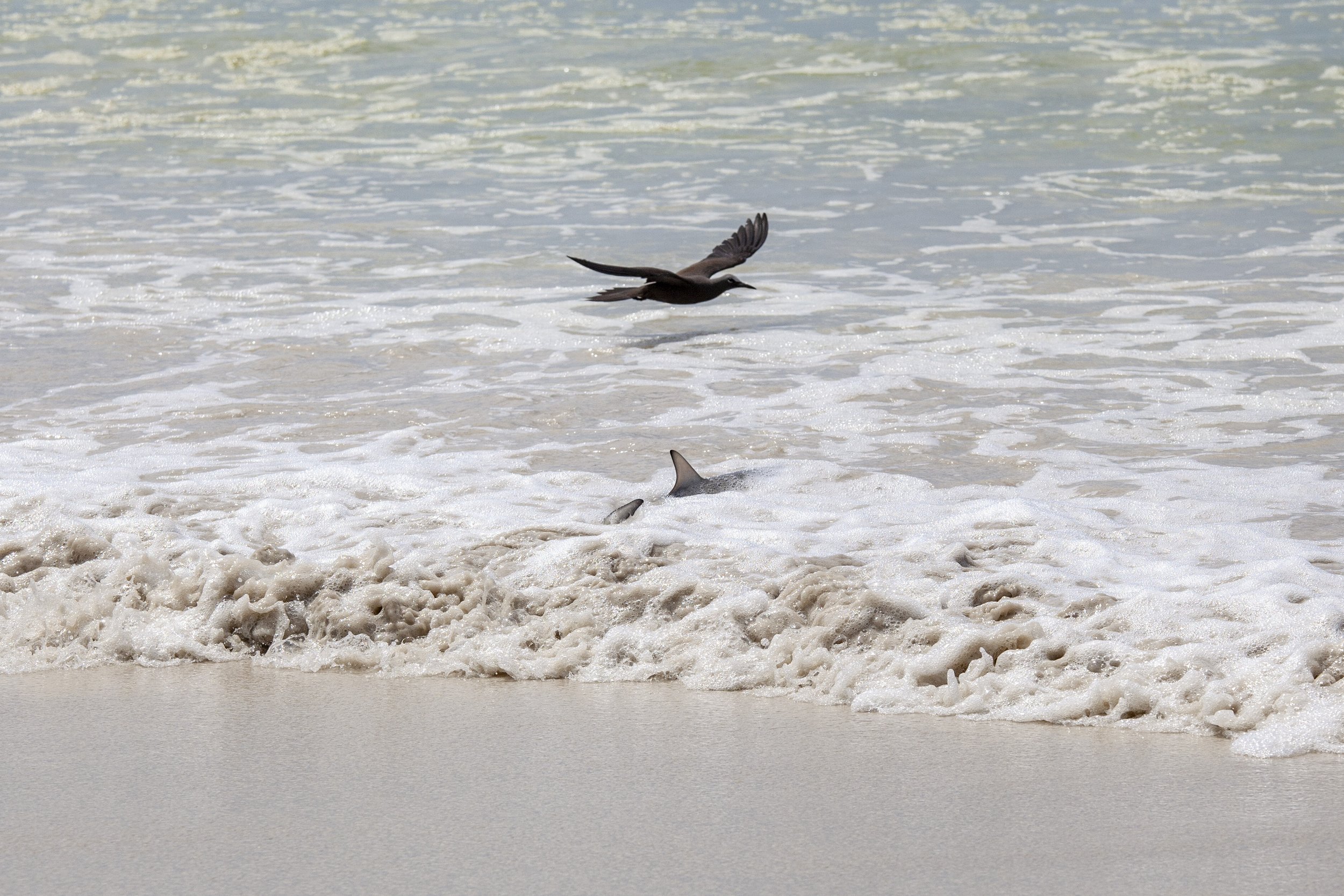
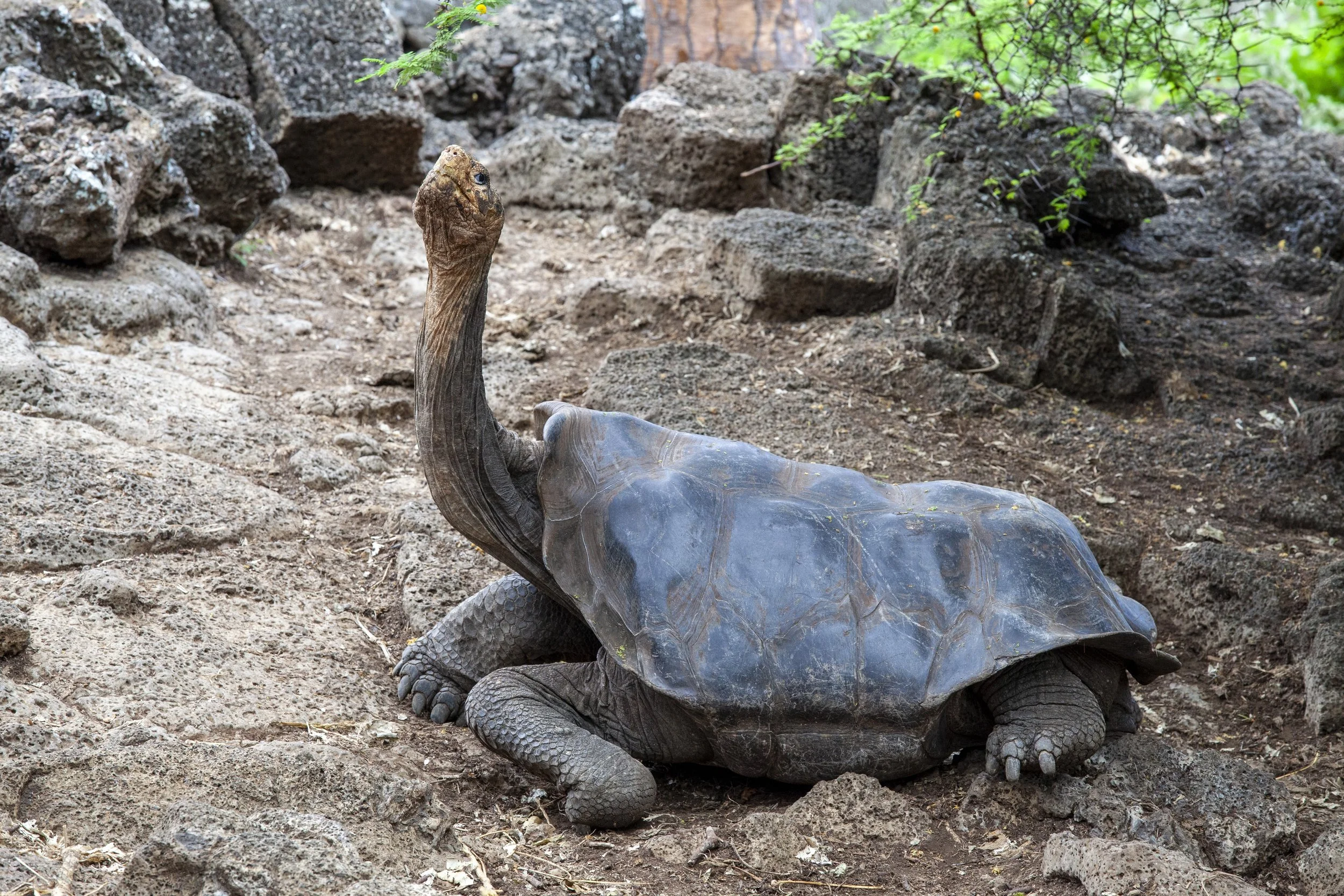
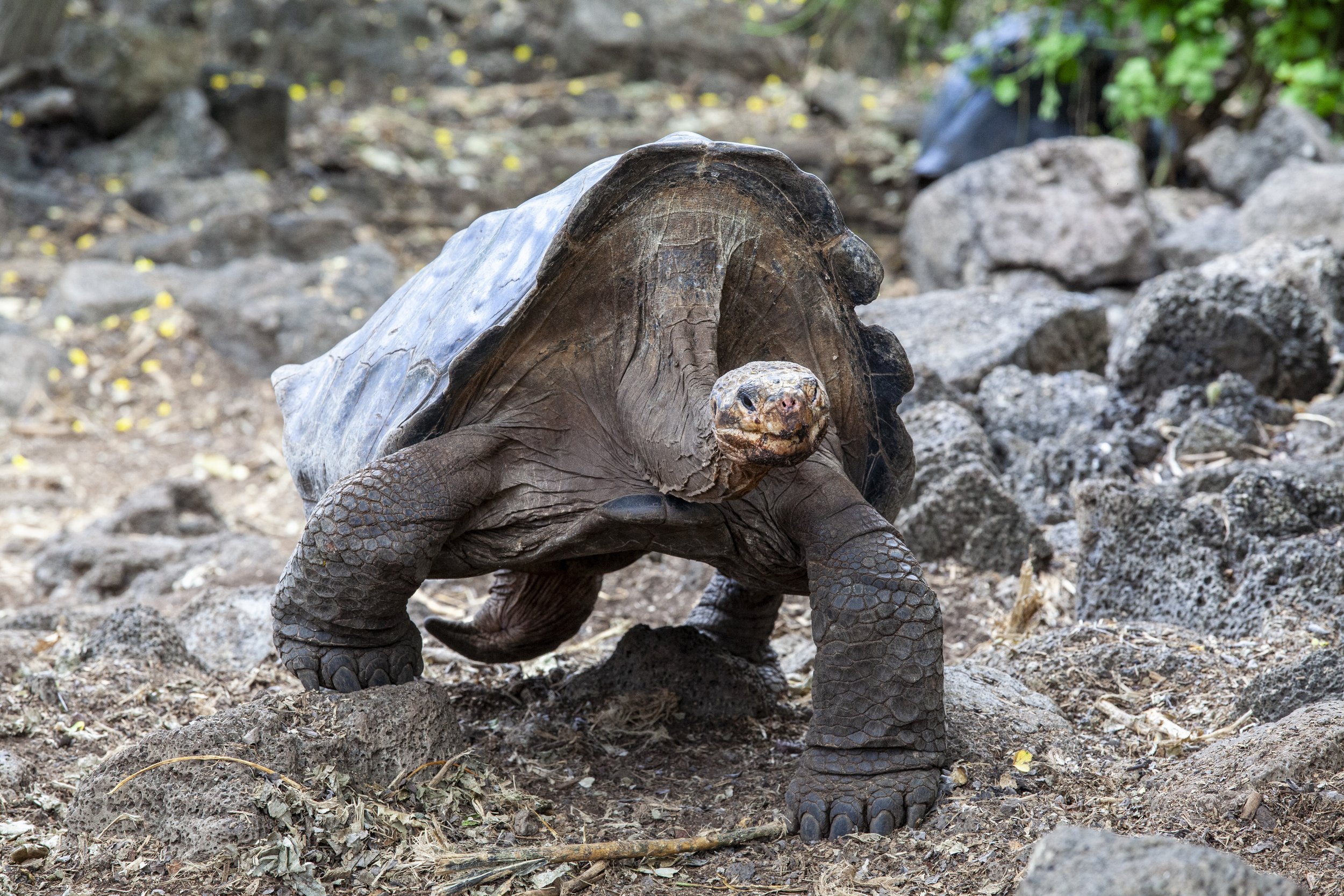
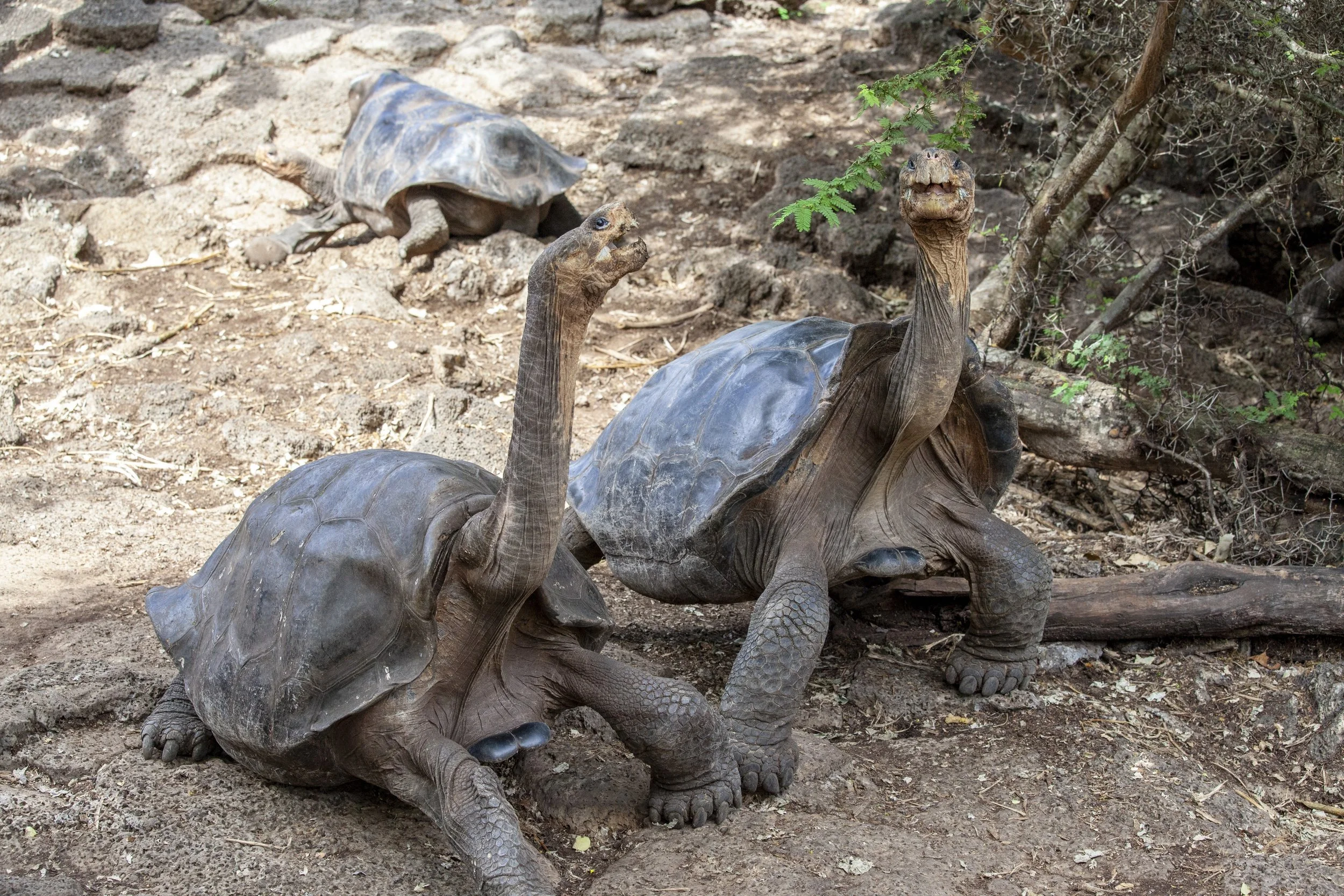
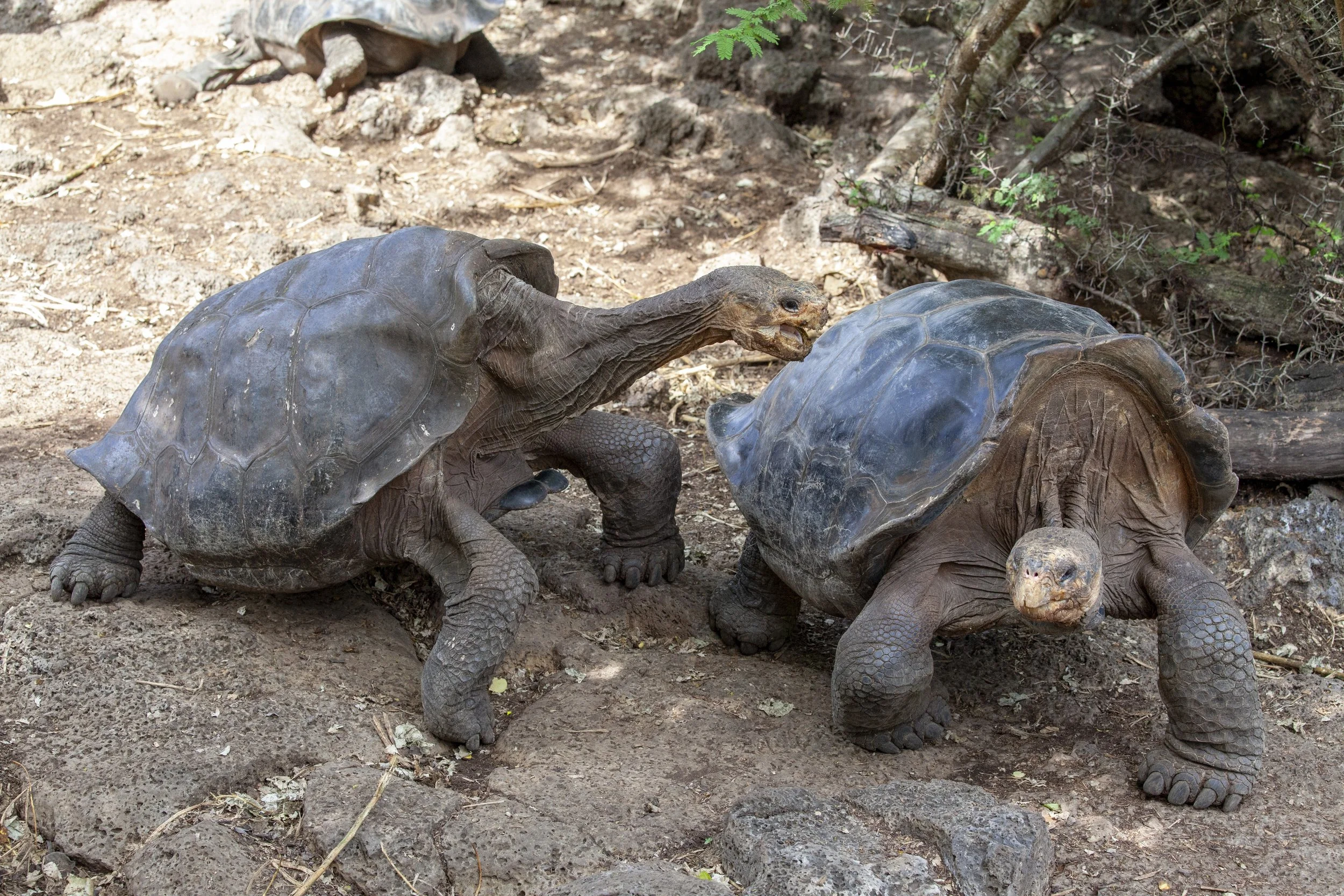
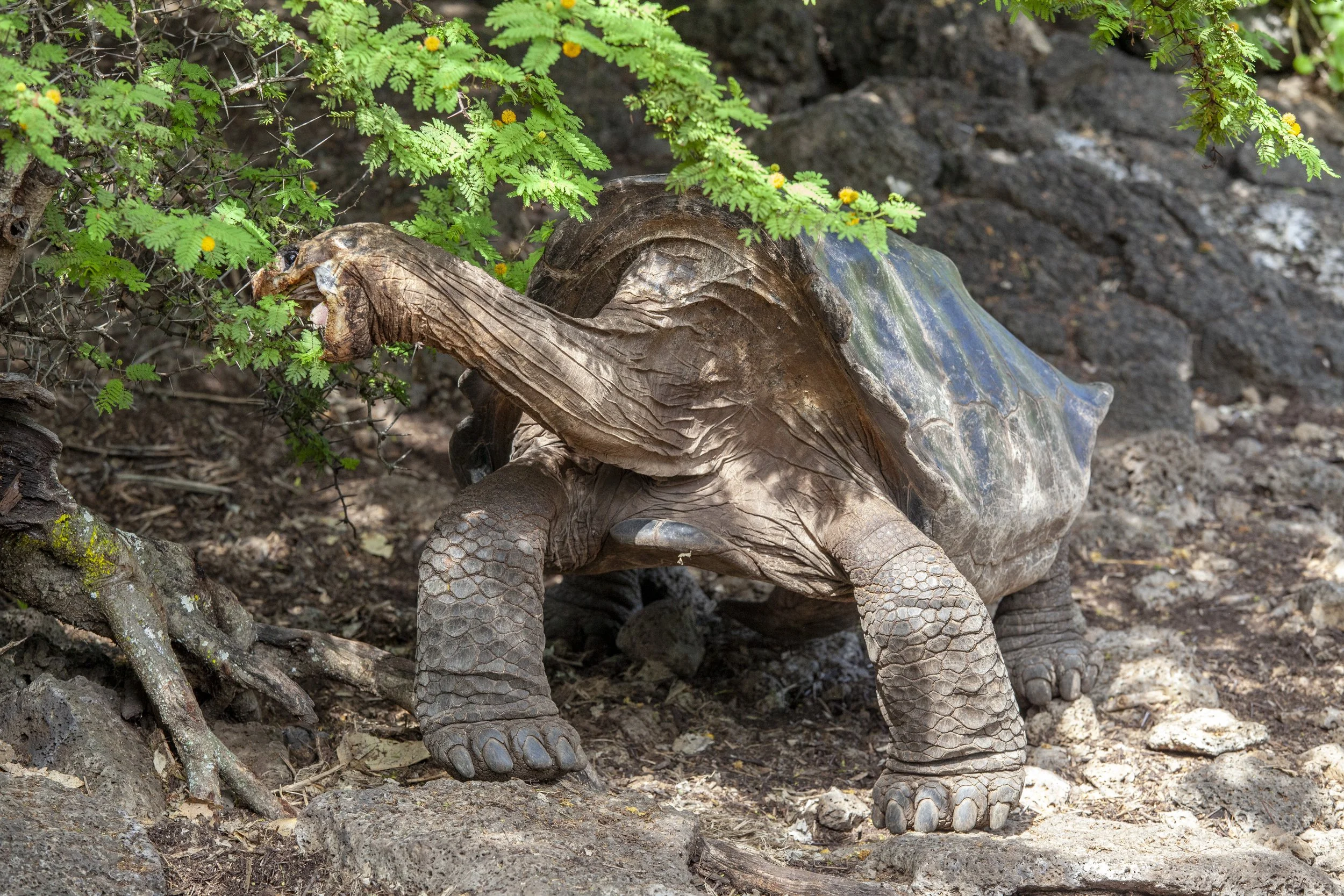
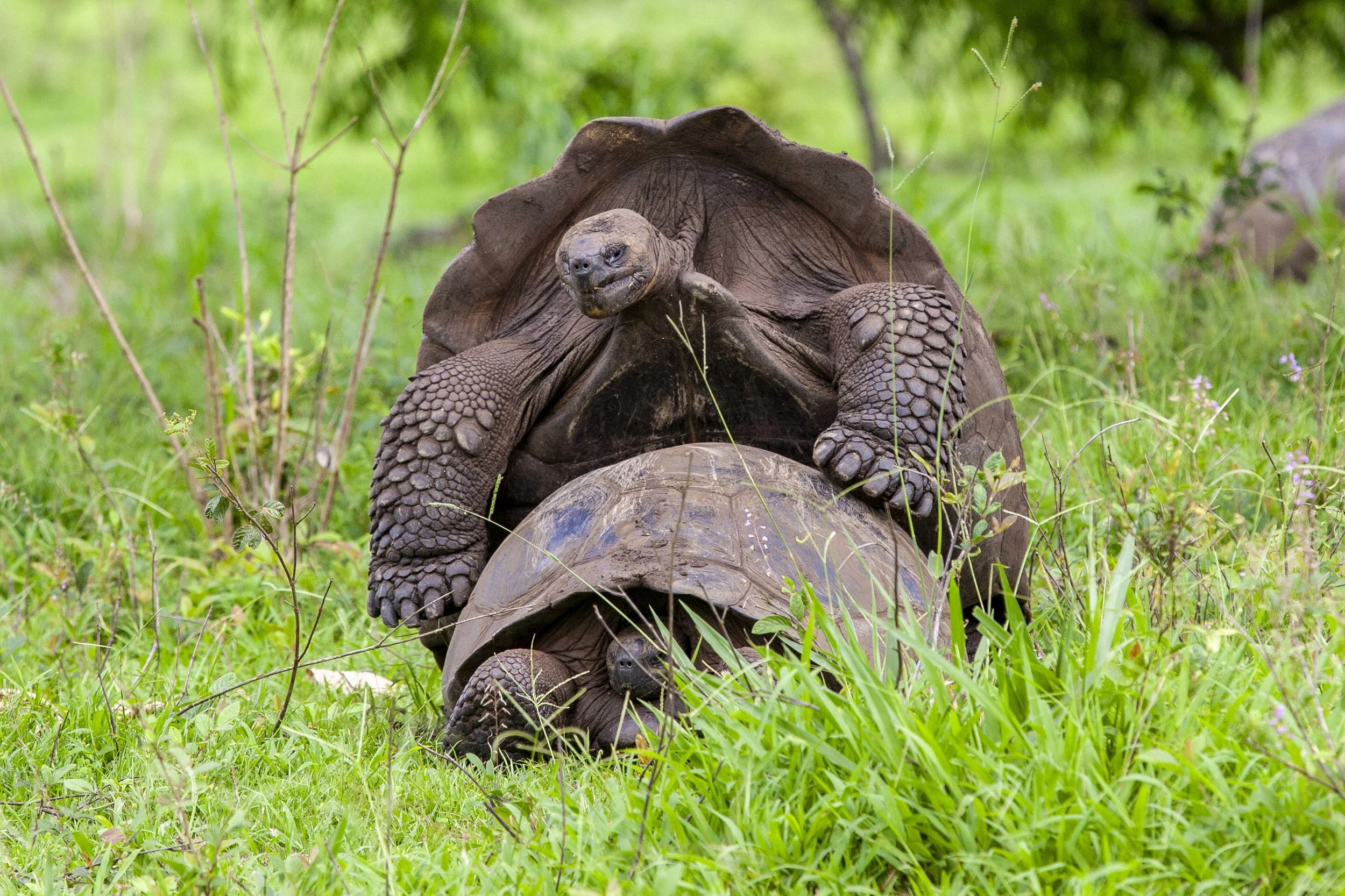
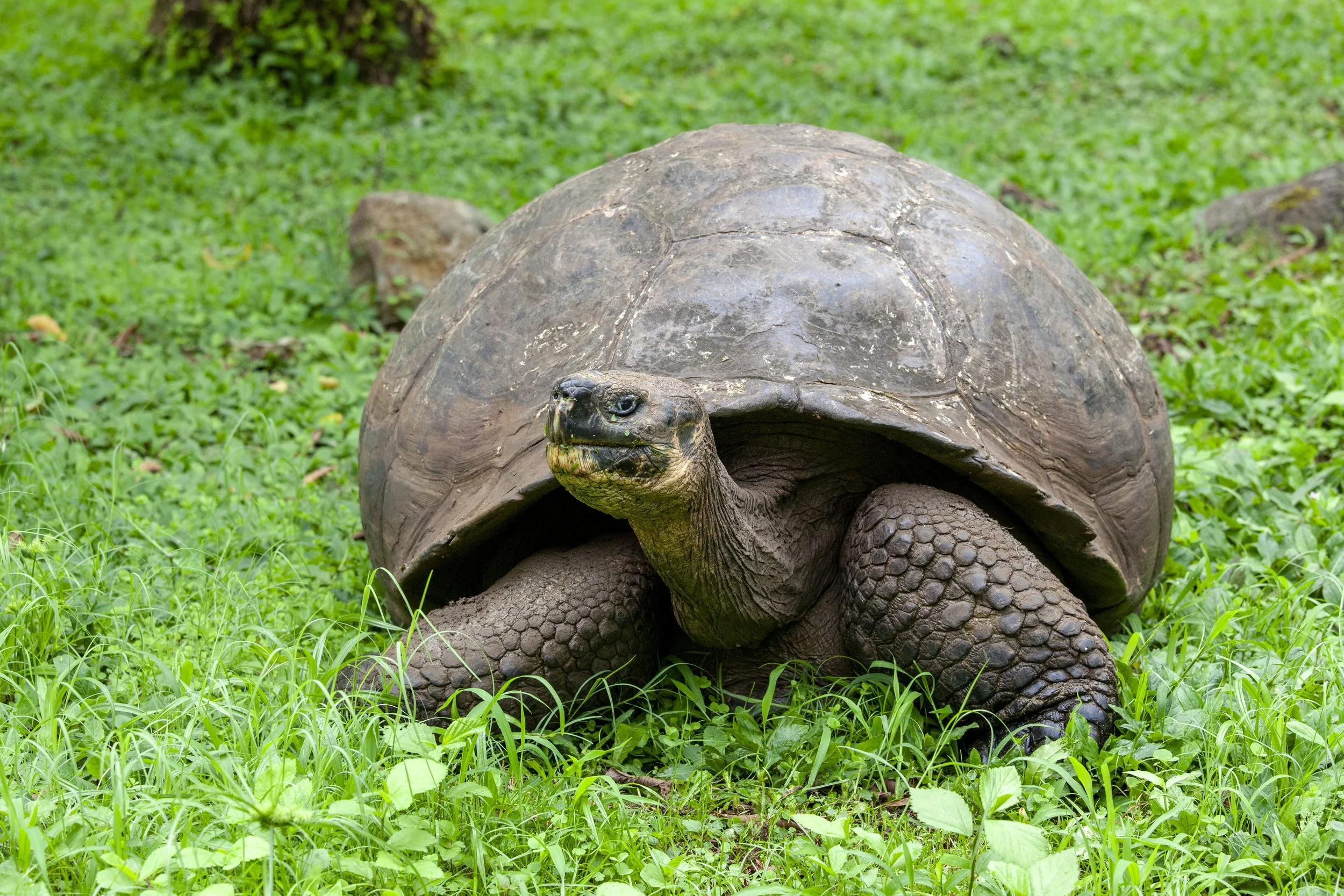
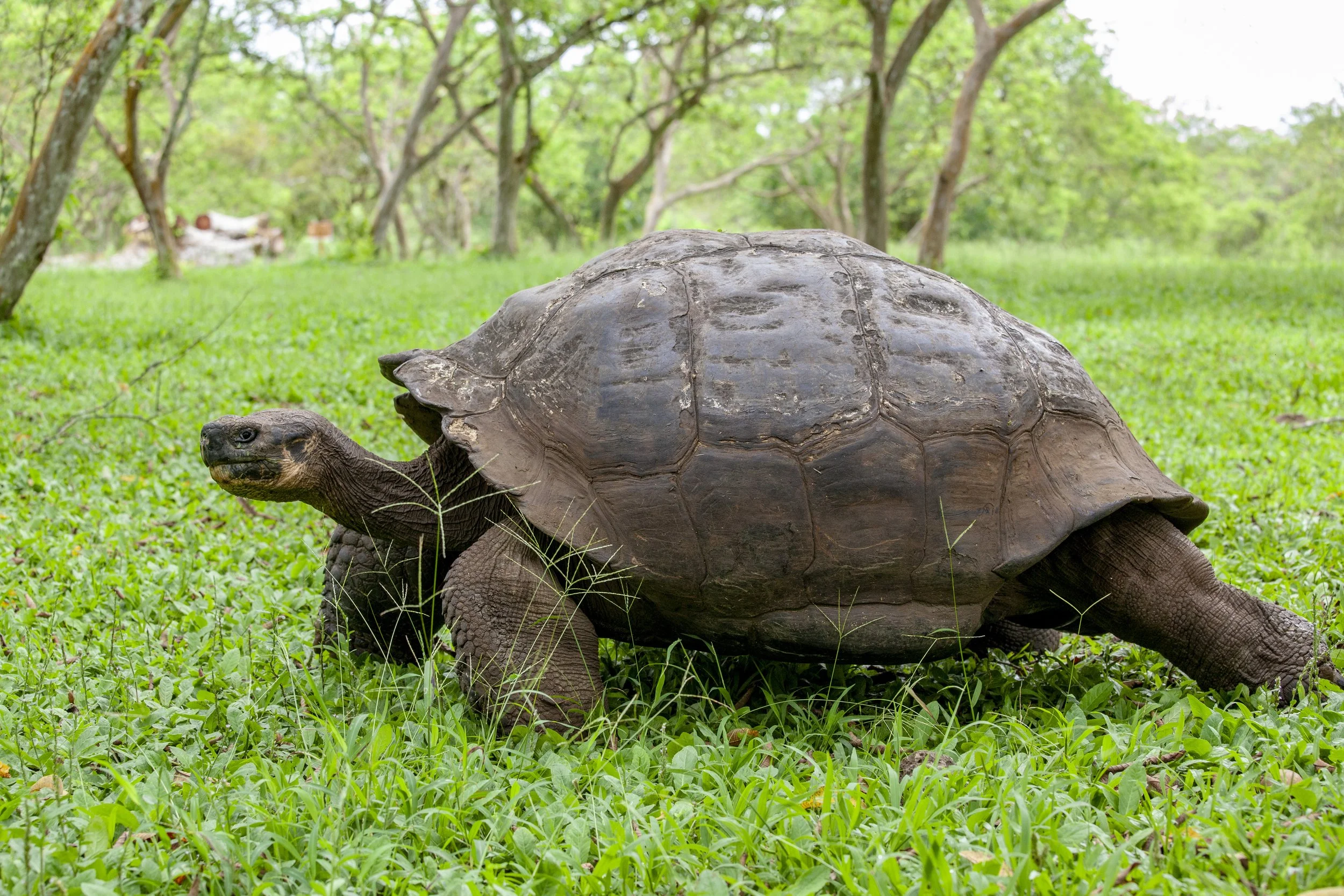
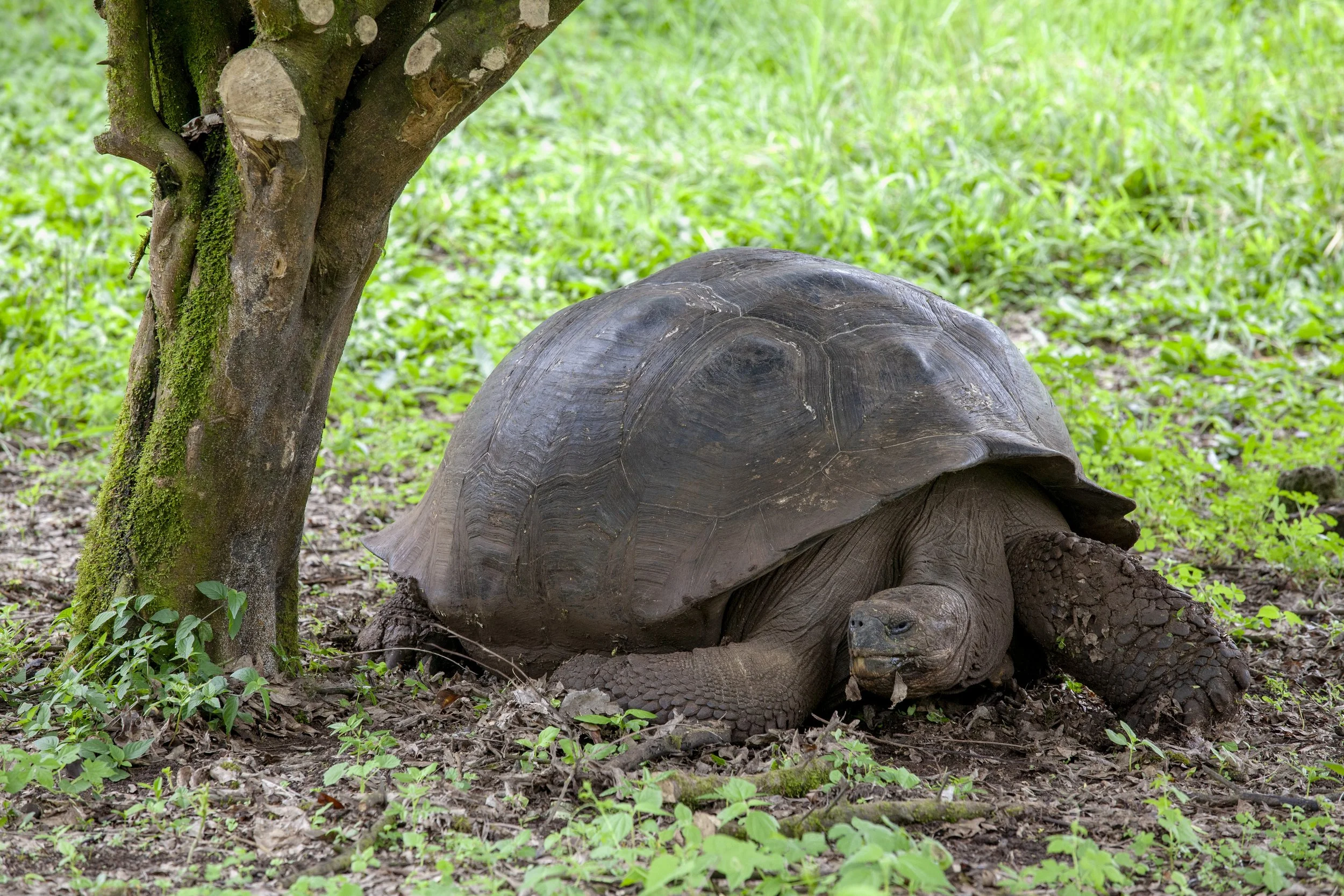
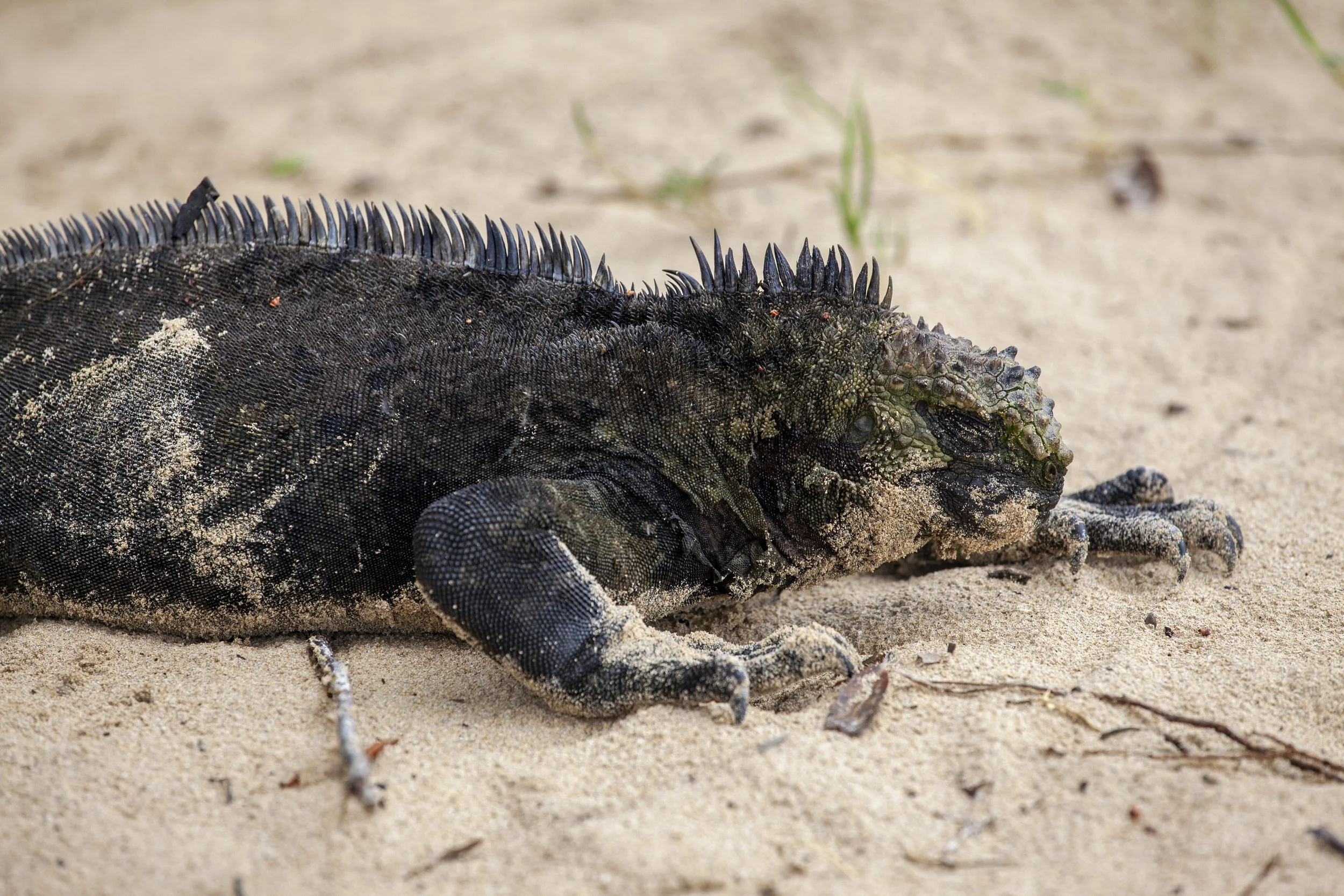
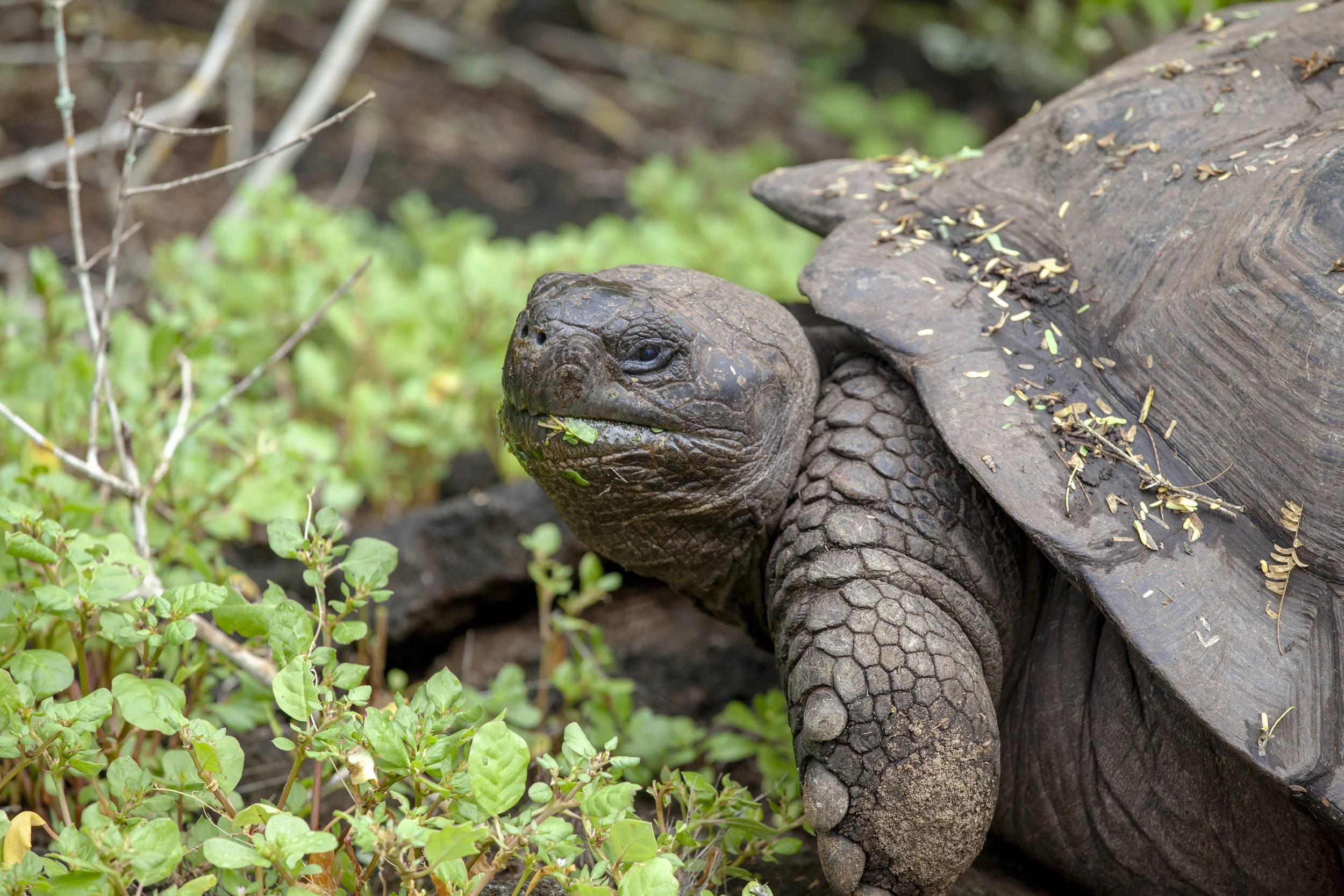
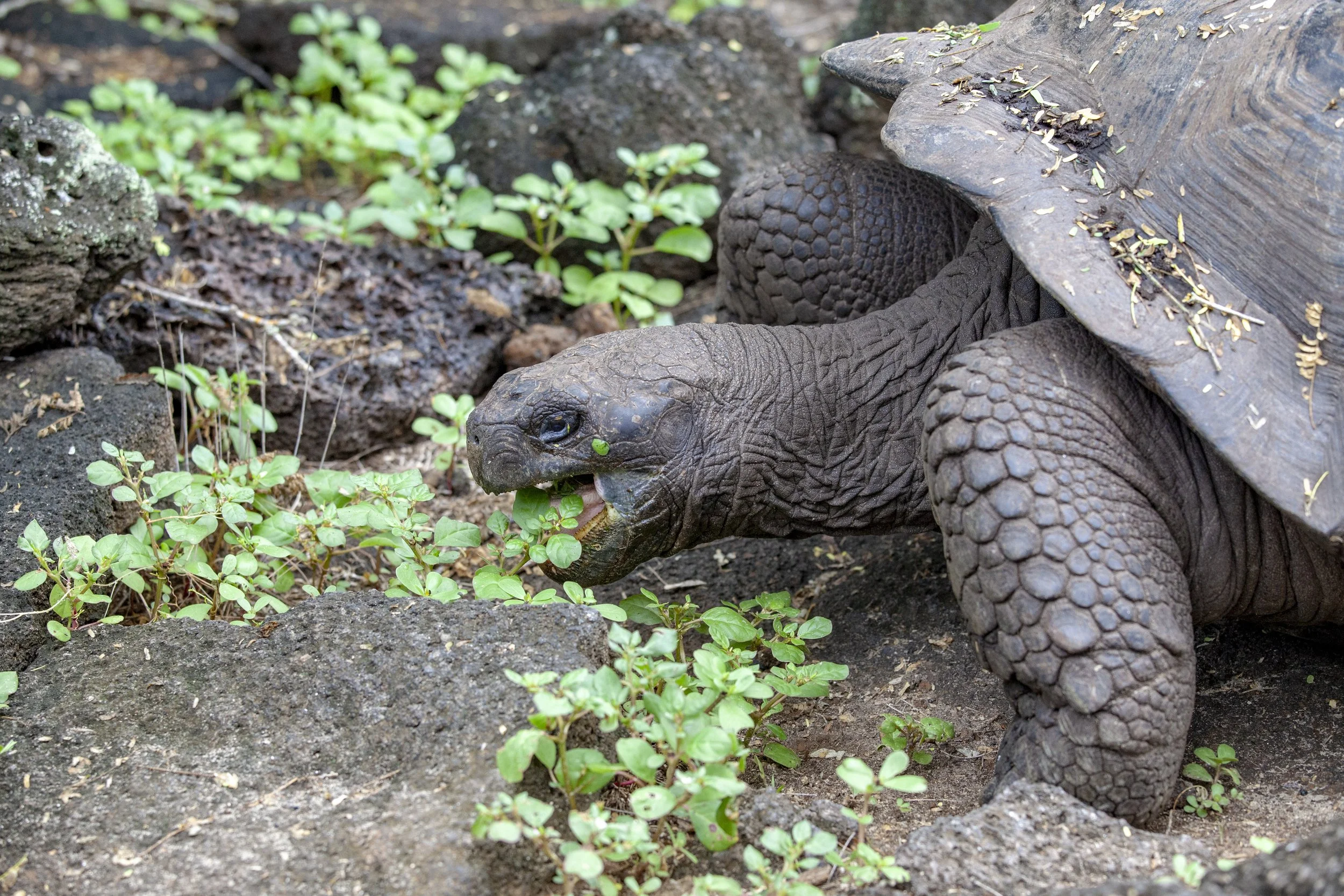
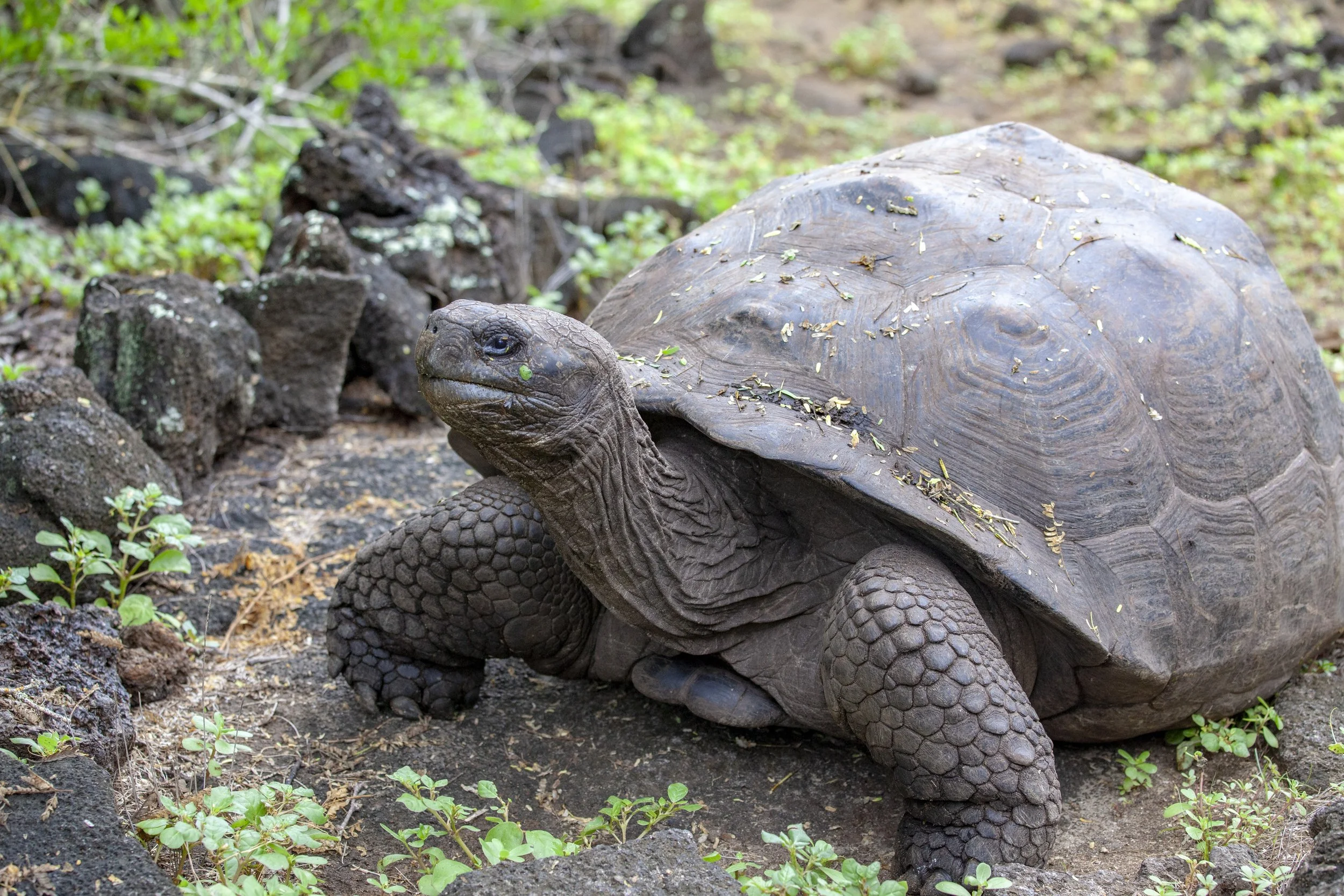
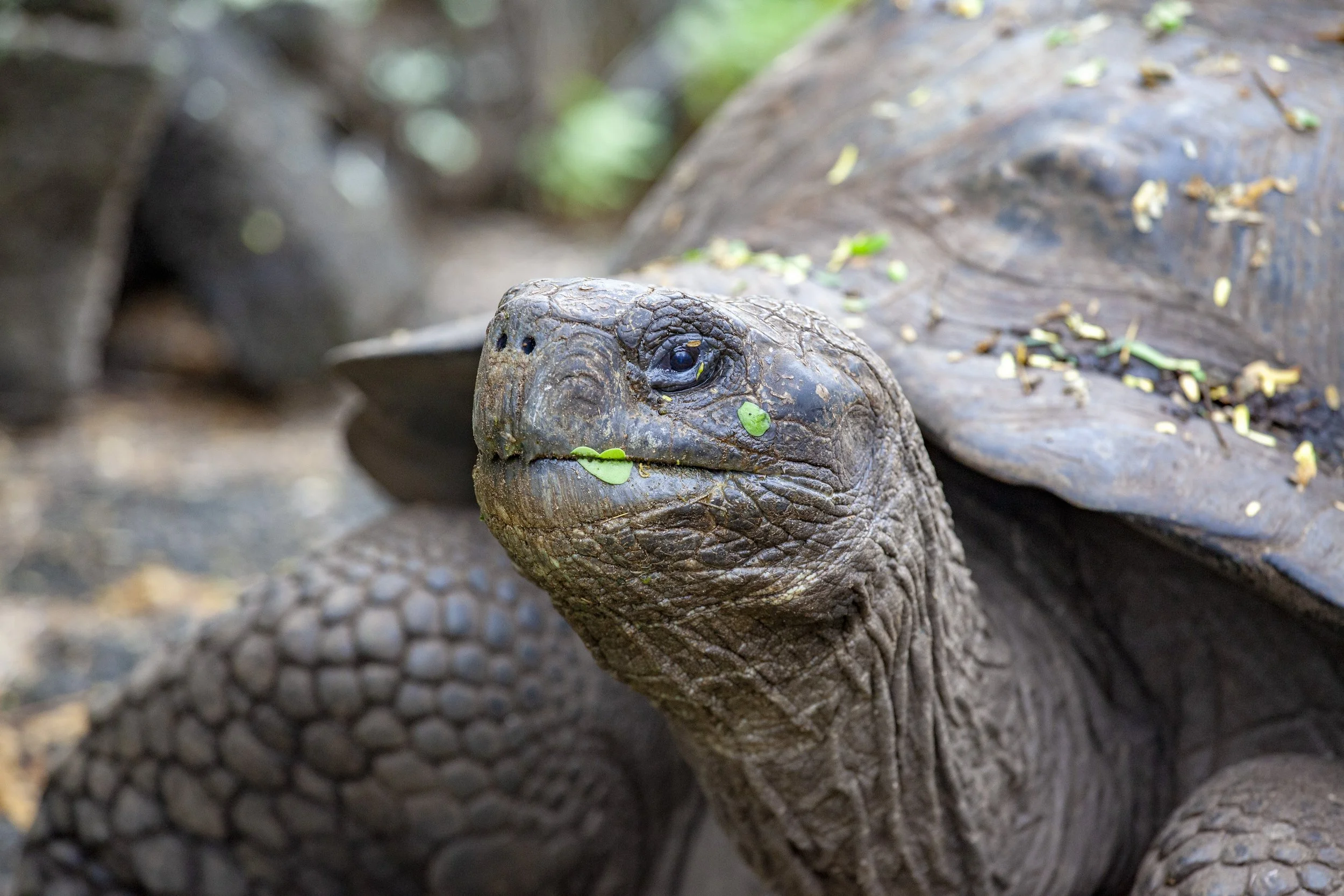
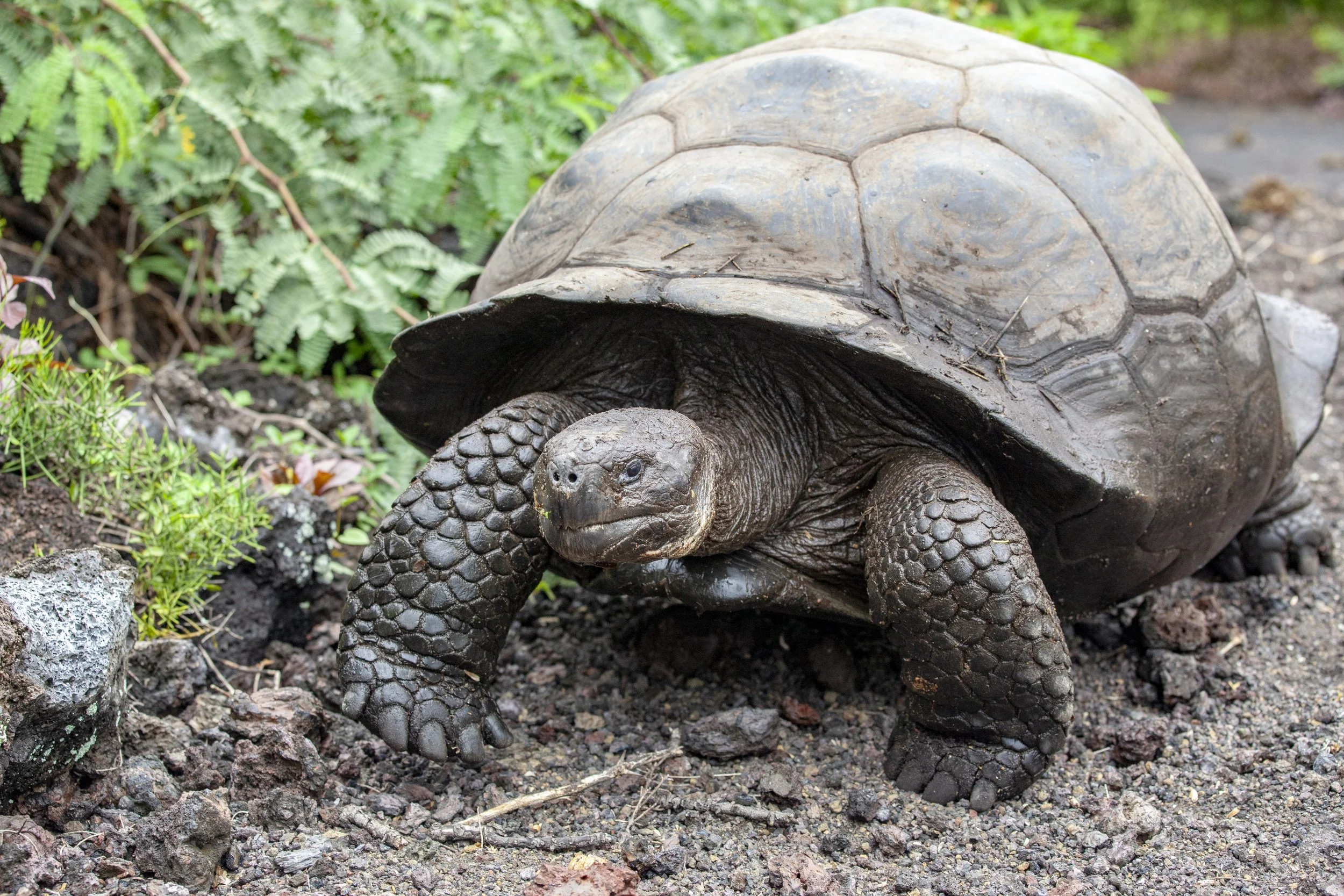
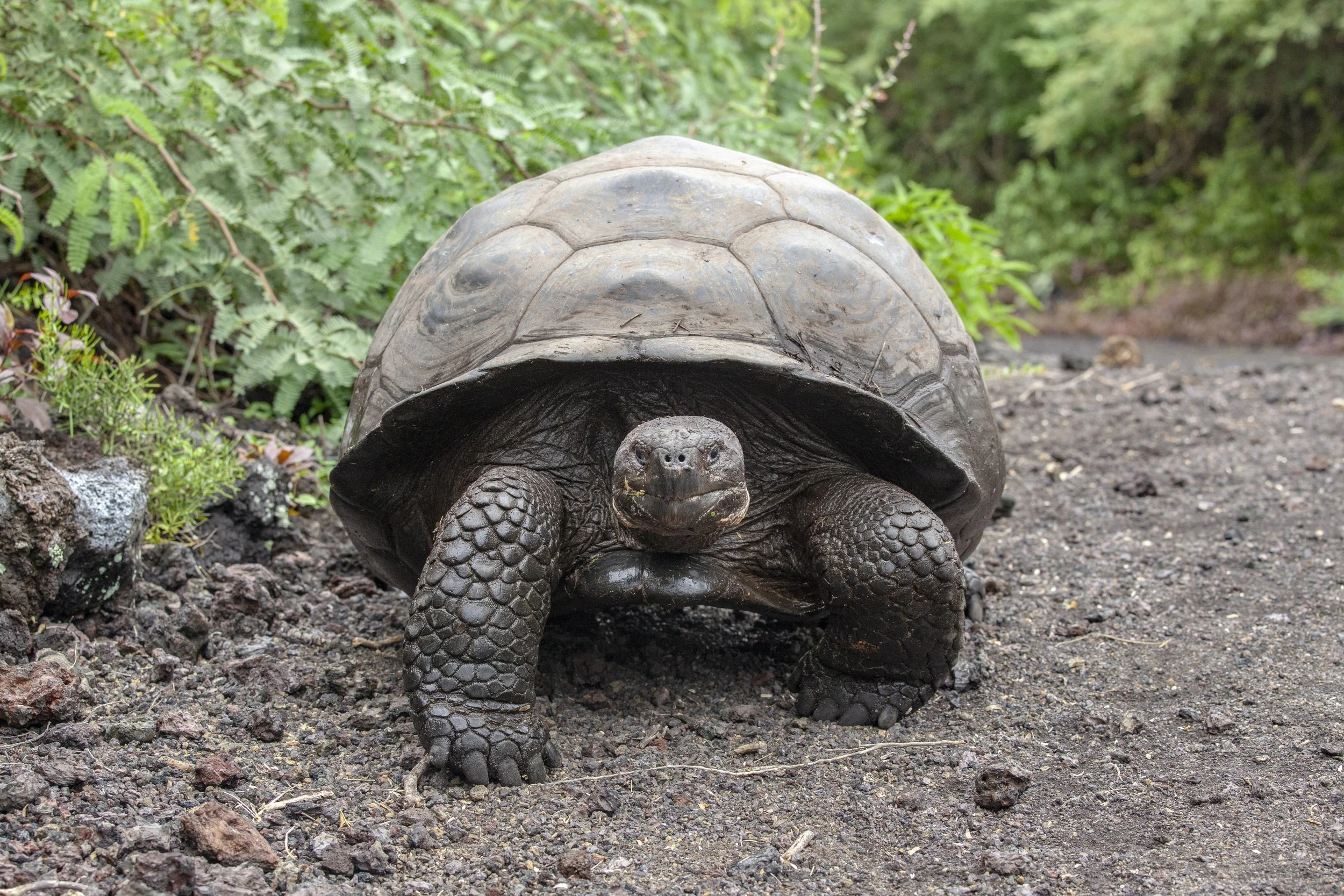
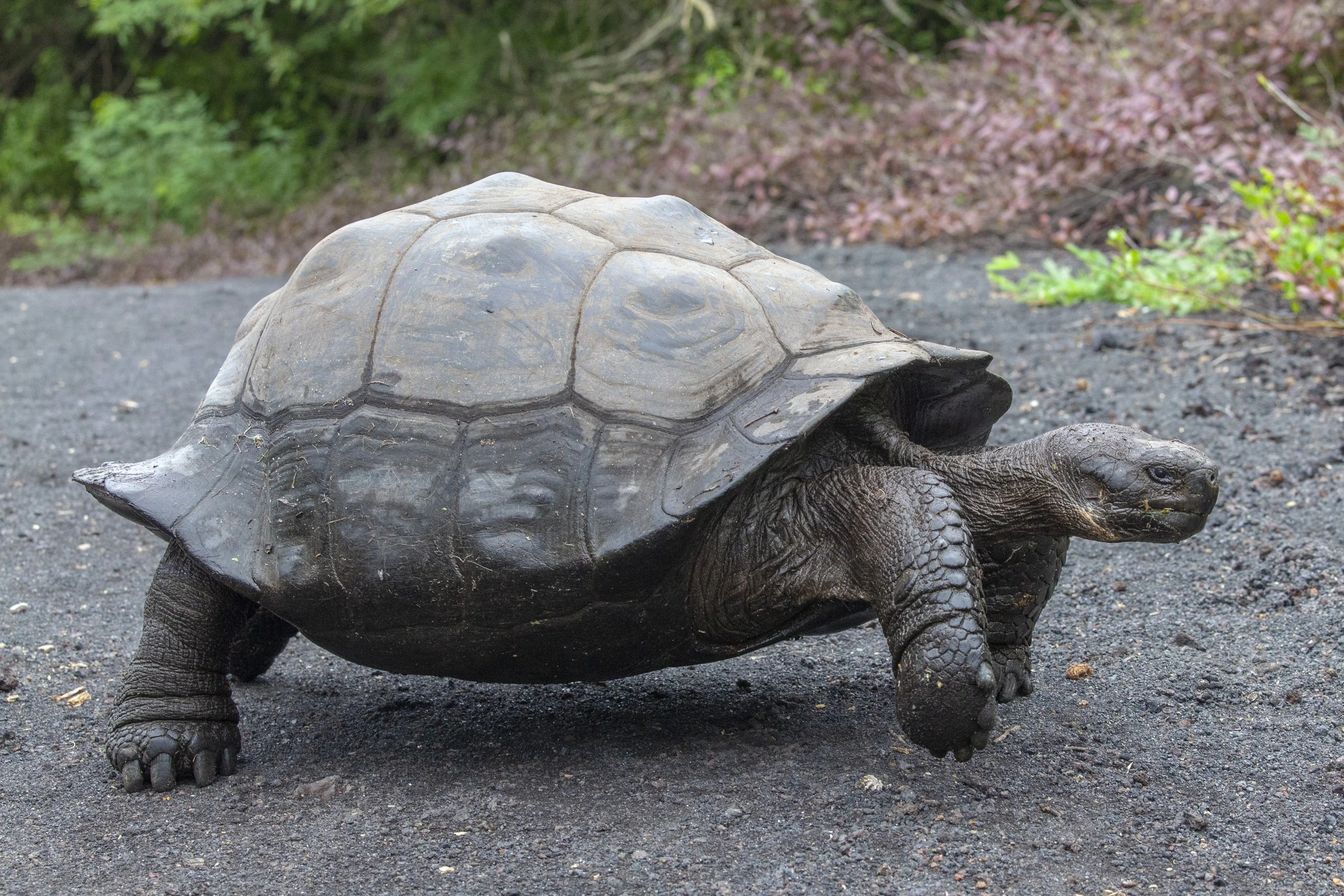
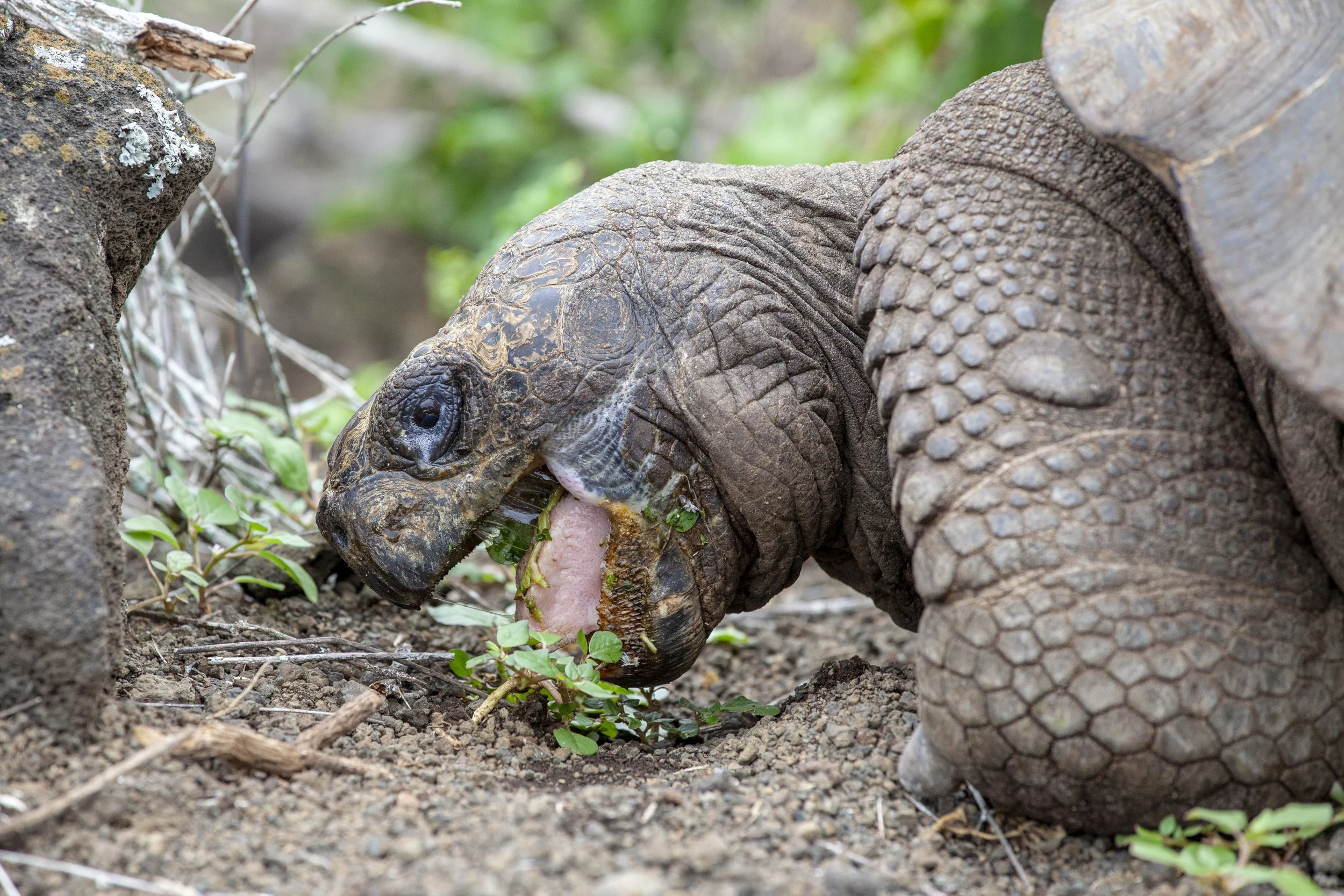
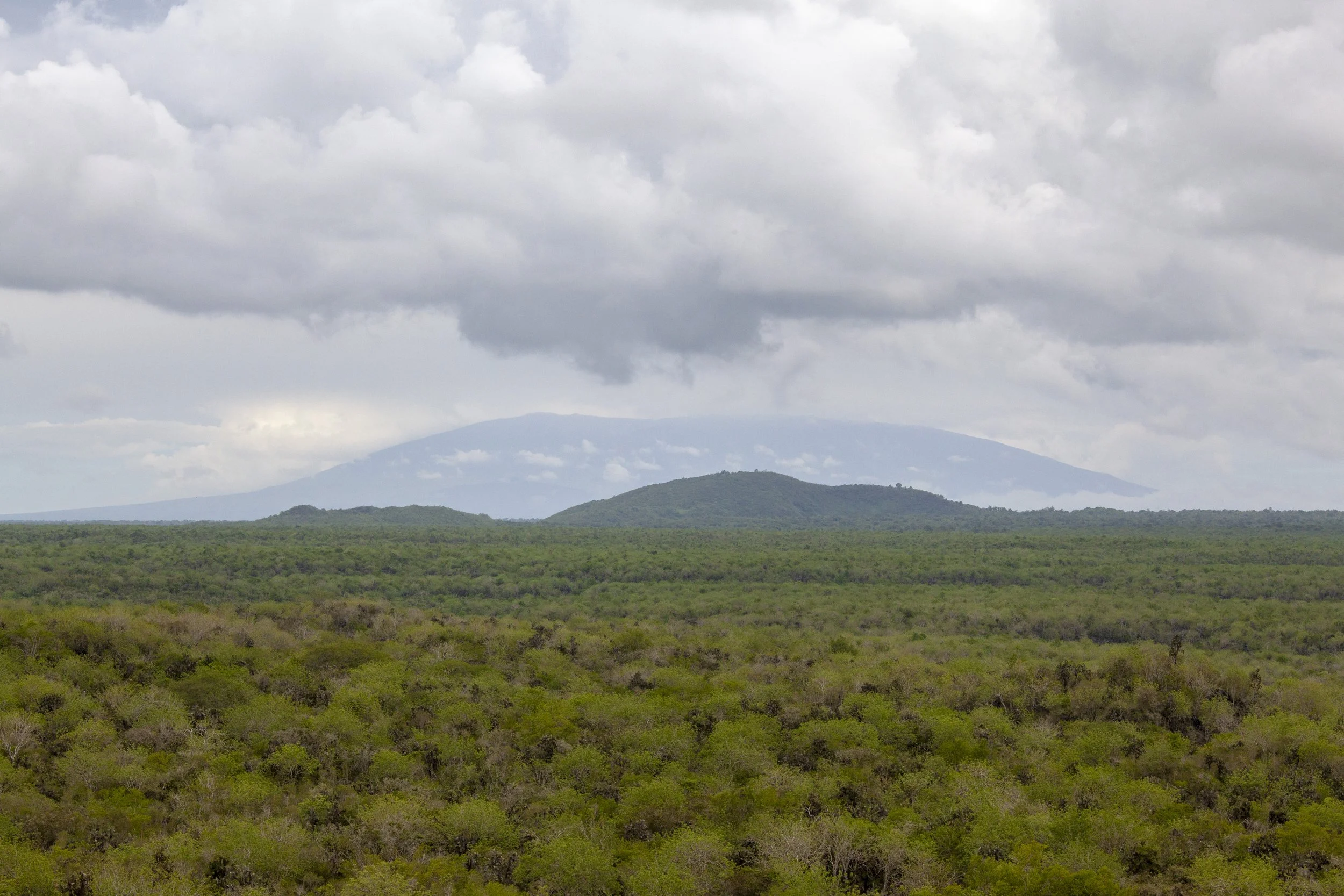
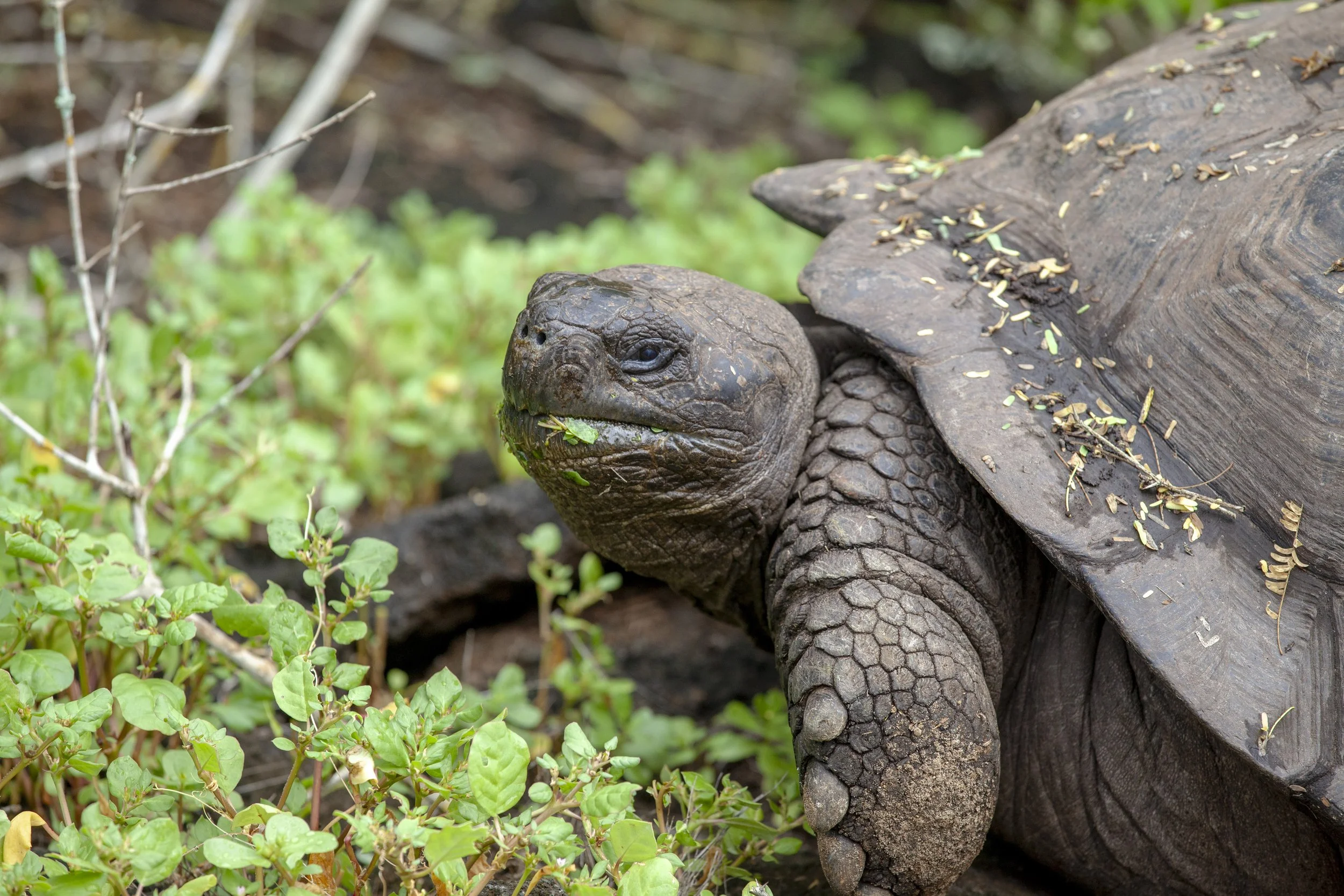
Santa Cruz is the beating heart of the archipelago, home to Puerto Ayora, the islands' largest town and the base for most visitors. But don't let its relative bustle fool you — step a few kilometers inland and you're walking through dense highland forests draped in mist, where giant Galápagos tortoises wander freely through the lush terrain as if time has no claim on them. The Charles Darwin Research Station, located here, has been central to tortoise conservation for decades, famously associated with Lonesome George, the last Pinta Island tortoise, who became a global symbol of extinction before his death in 2012. The island also has stunning spots like Tortuga Bay, a long white-sand beach where marine iguanas bask and whitetip reef sharks cruise the shallows.
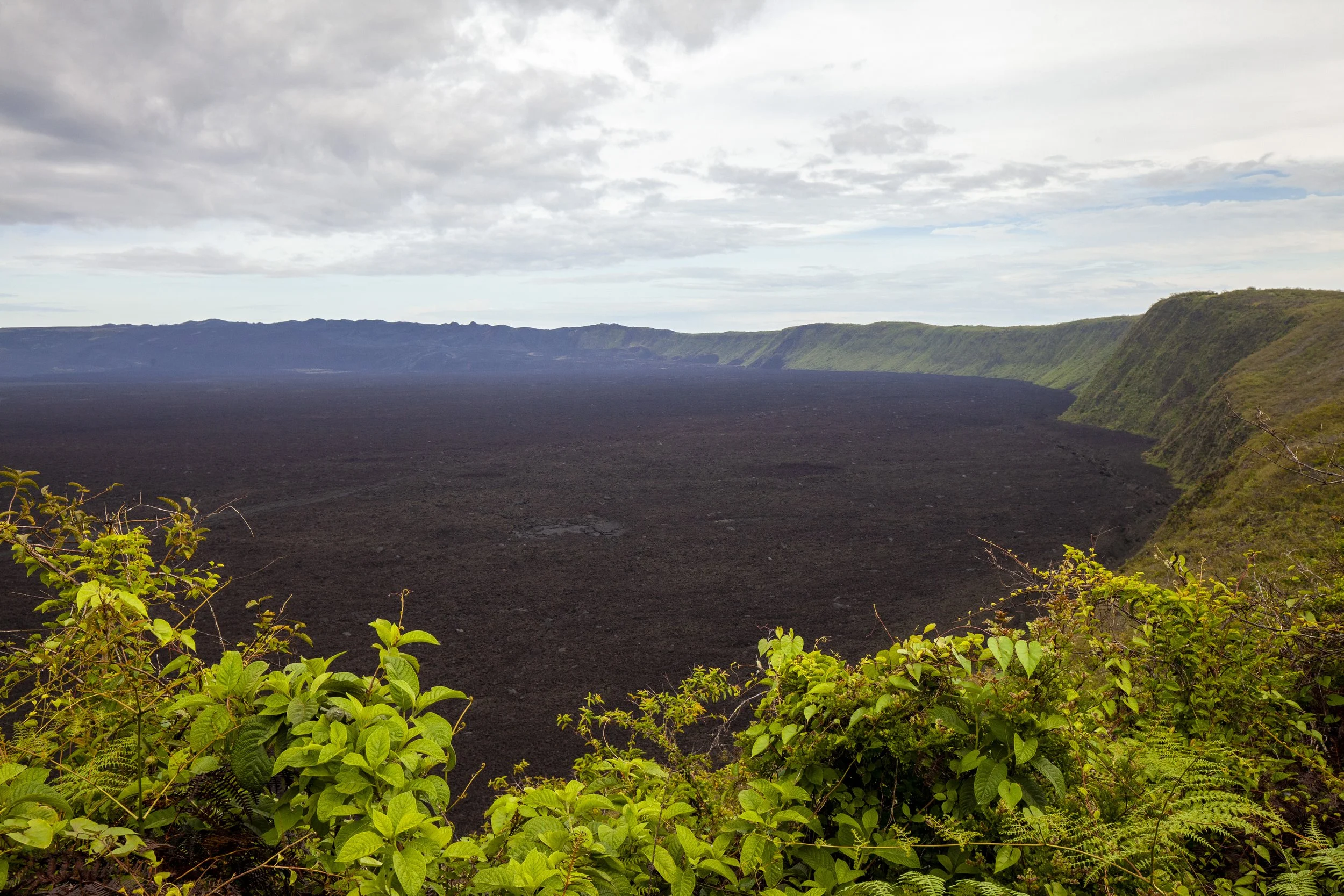
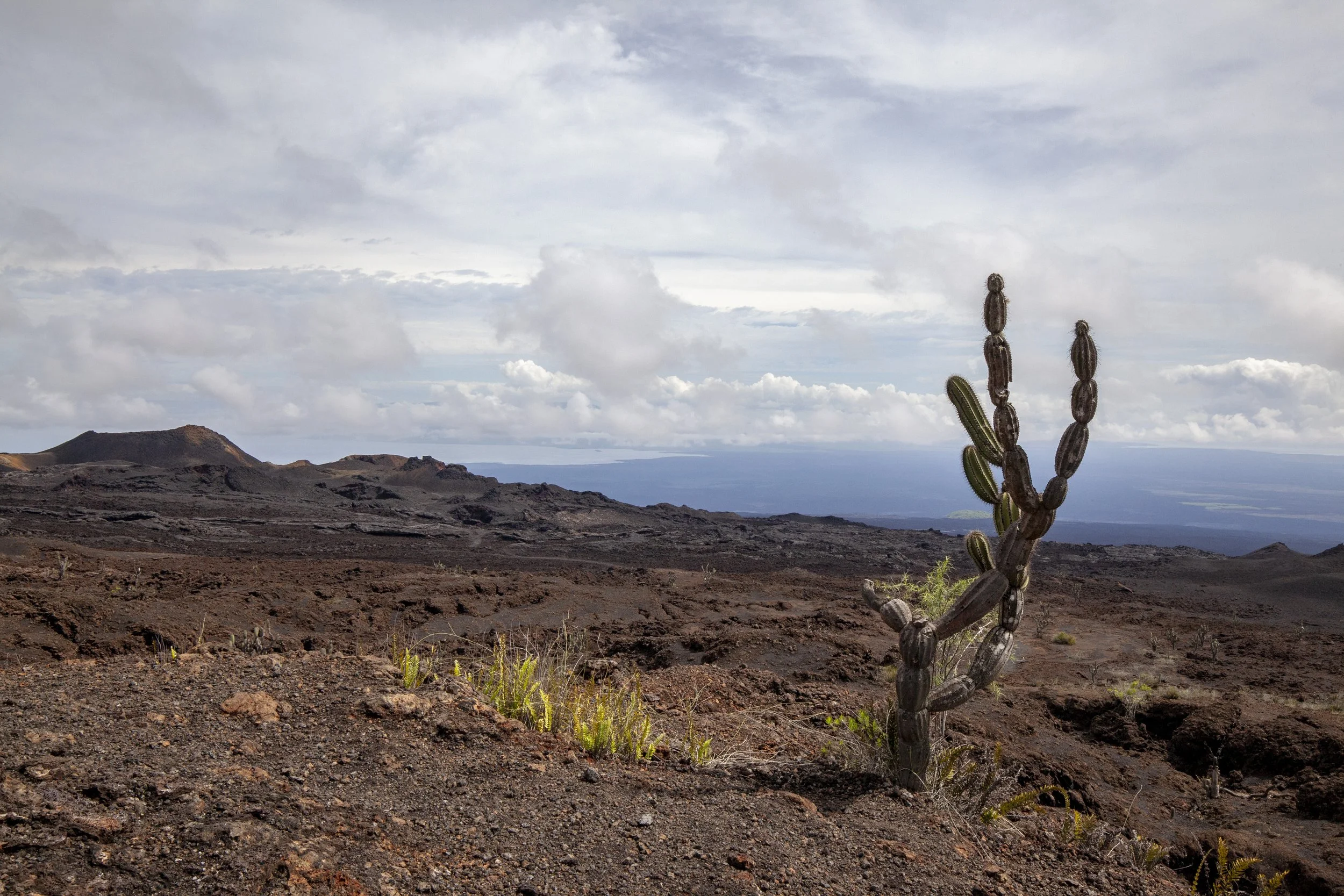
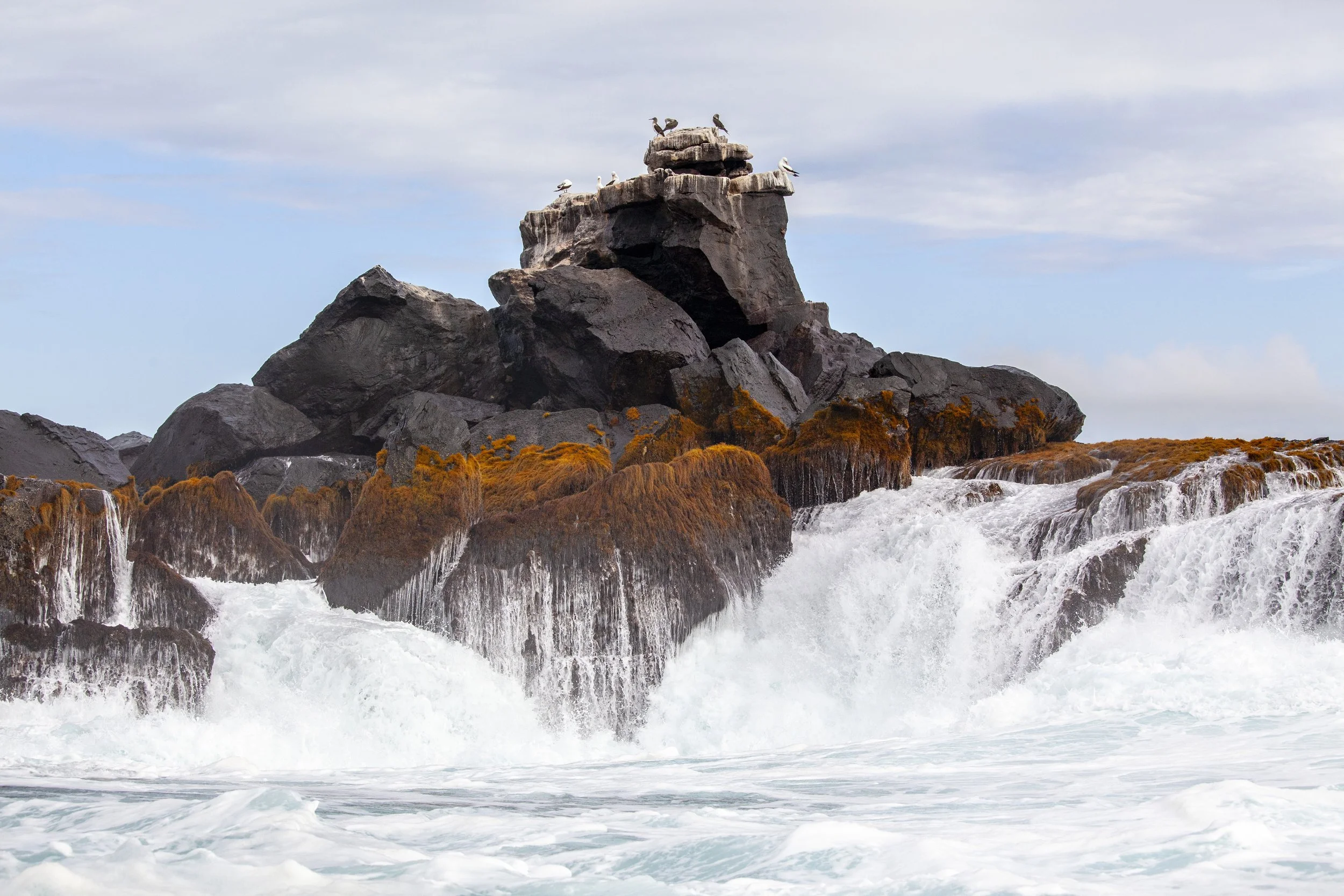
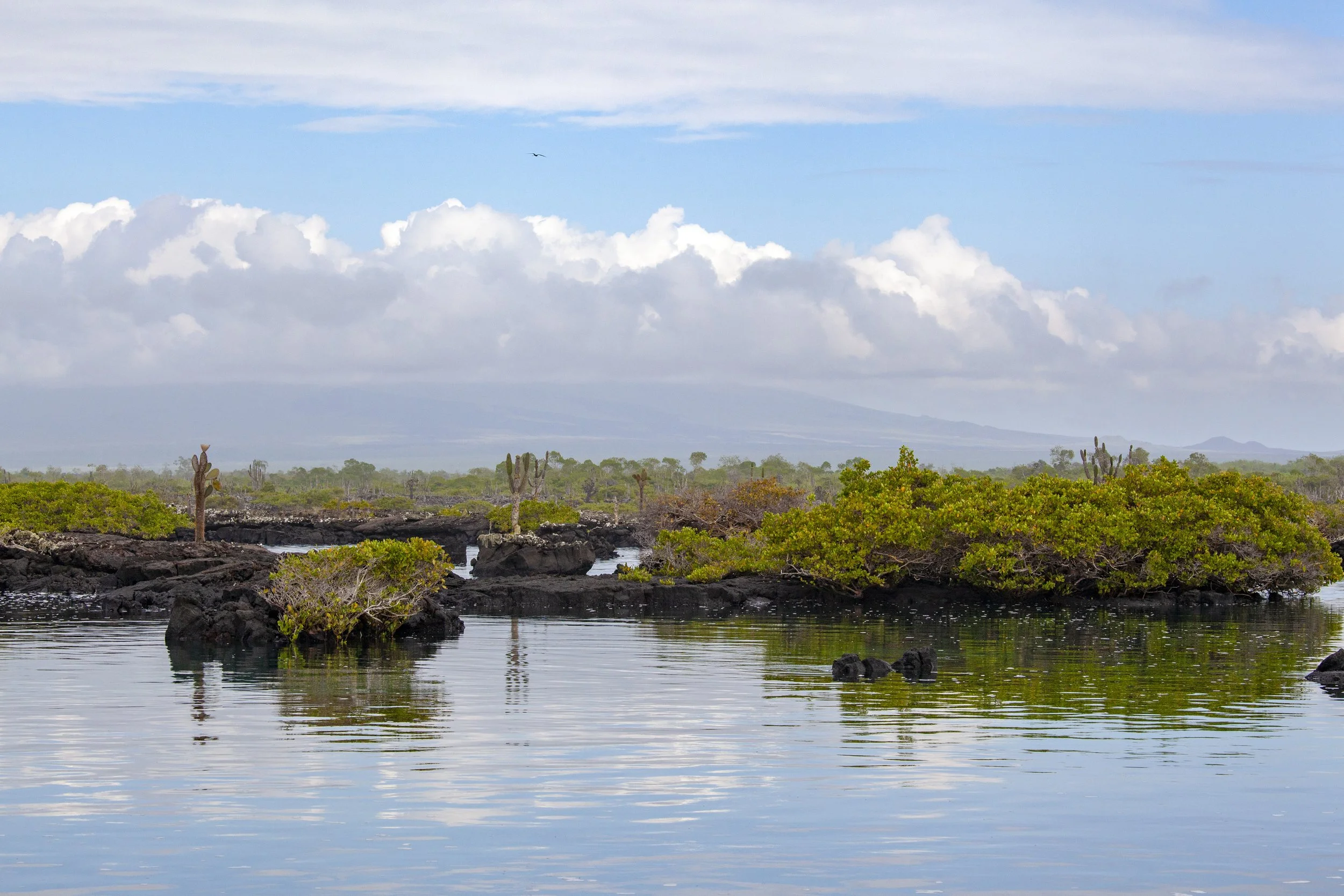
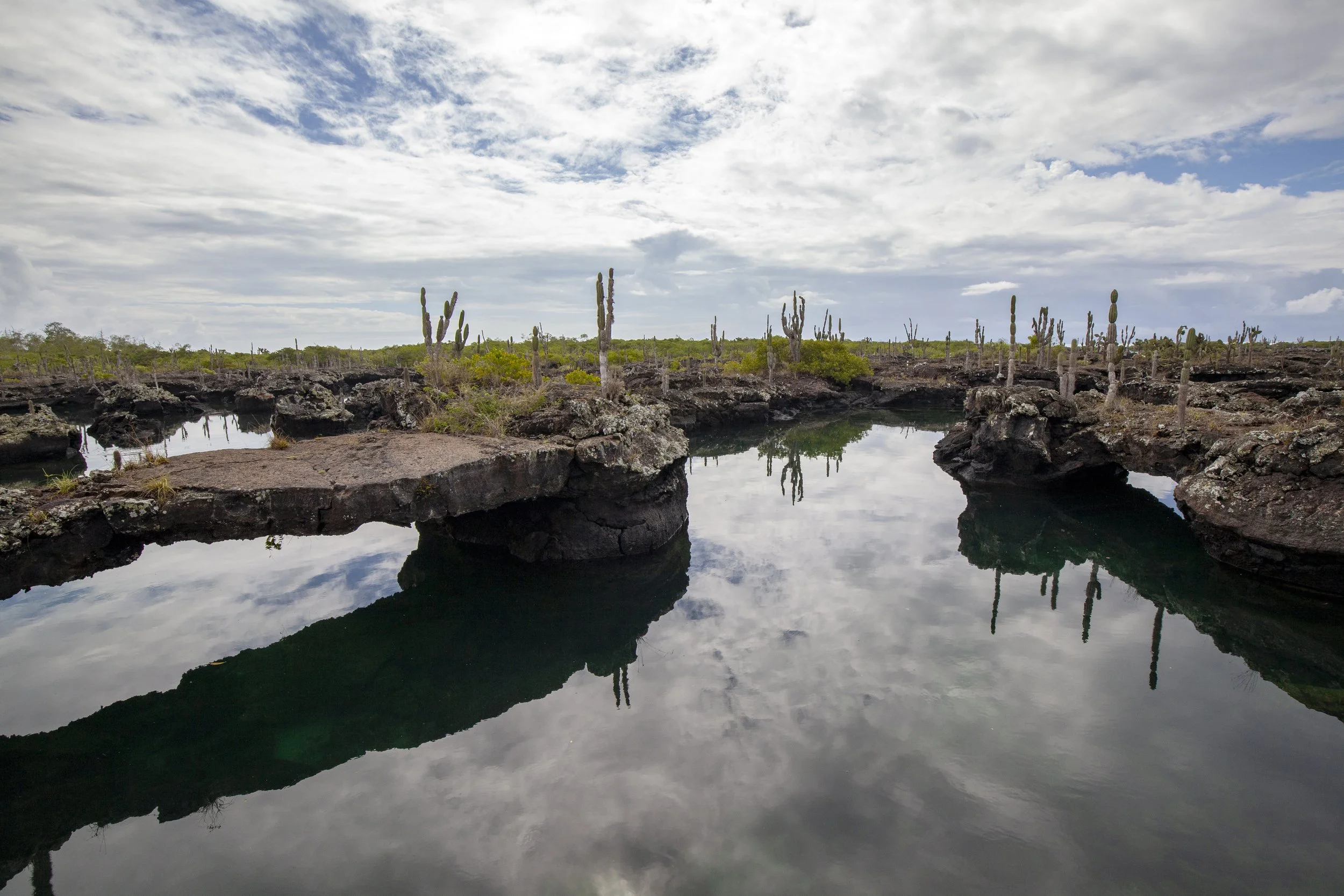
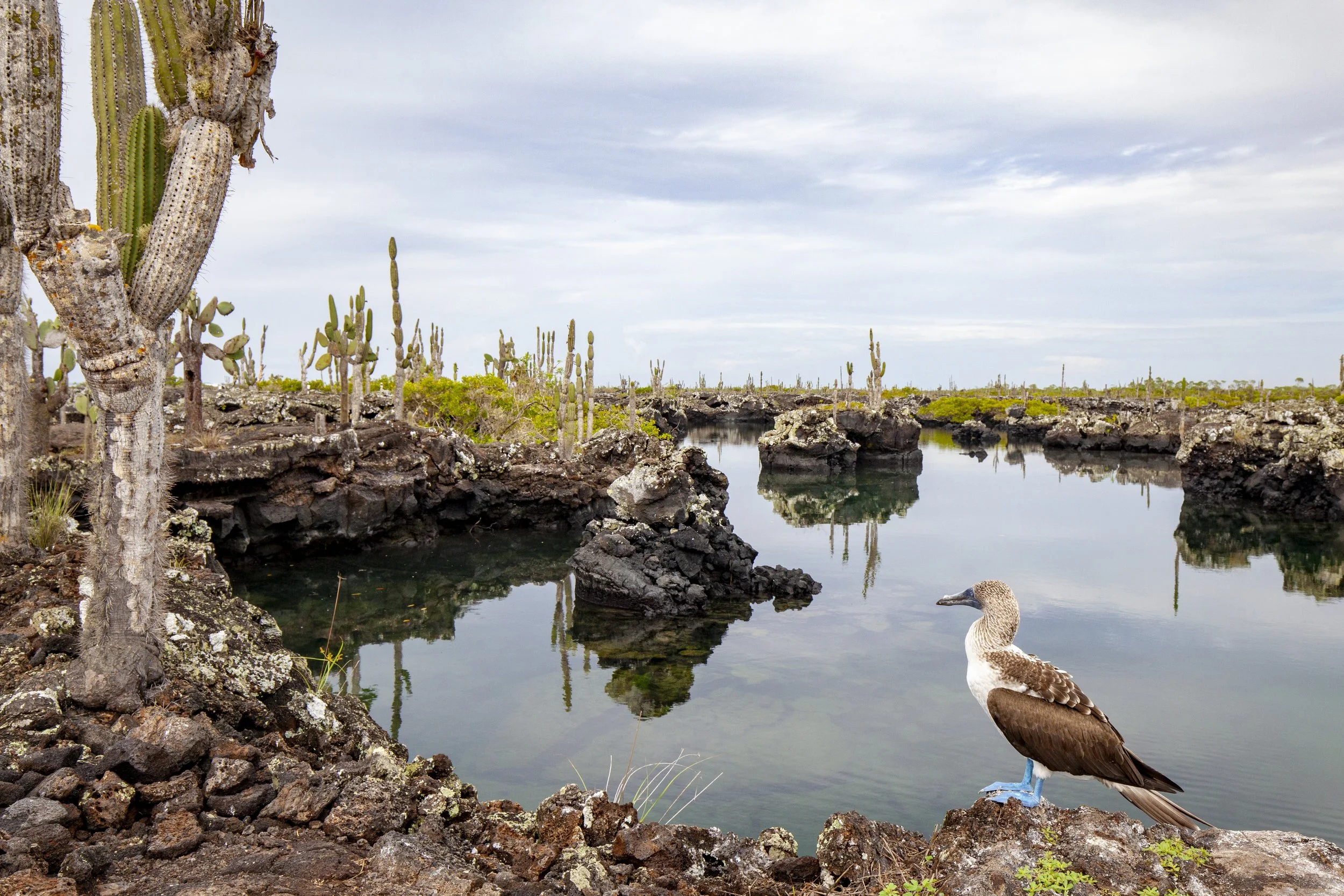
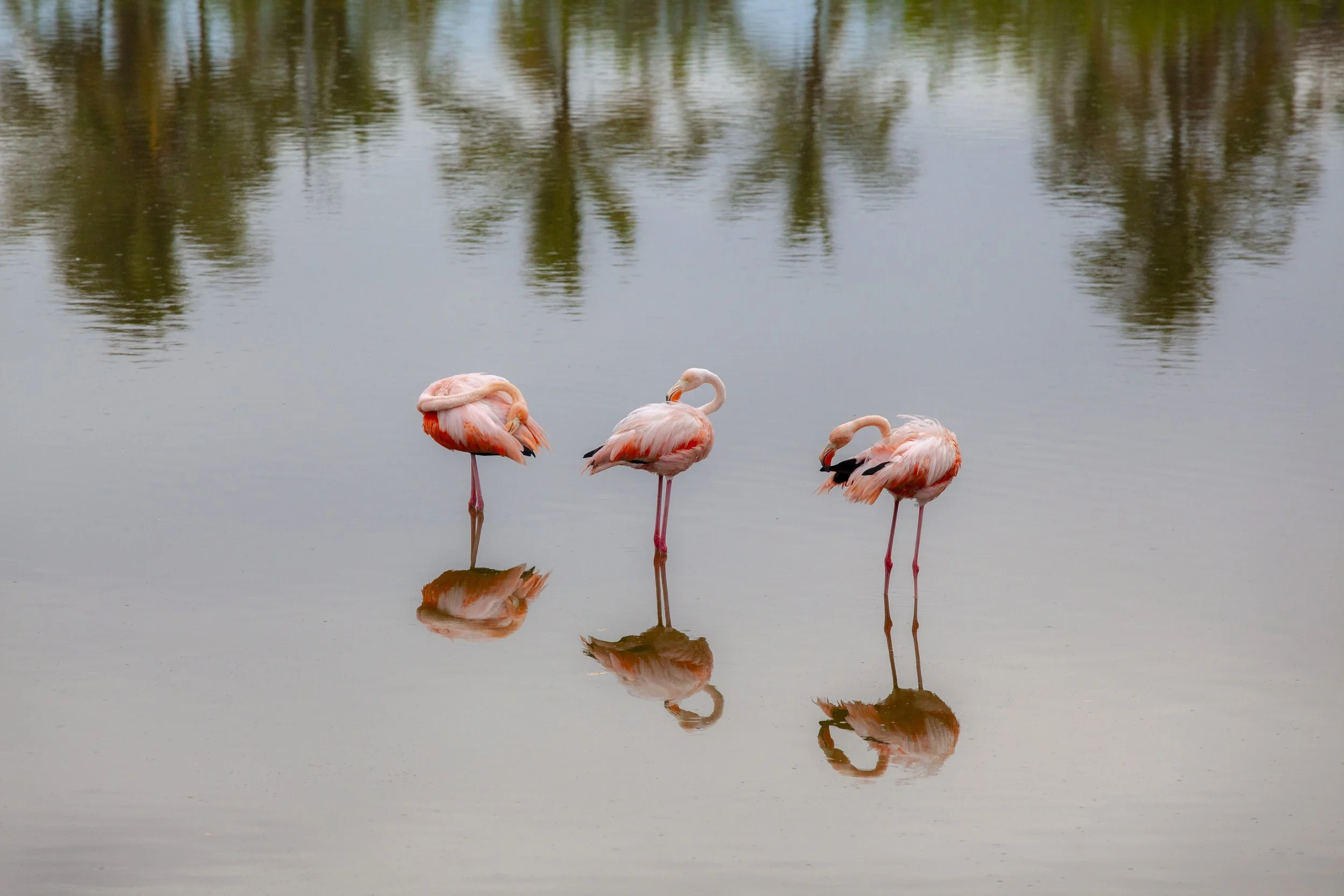
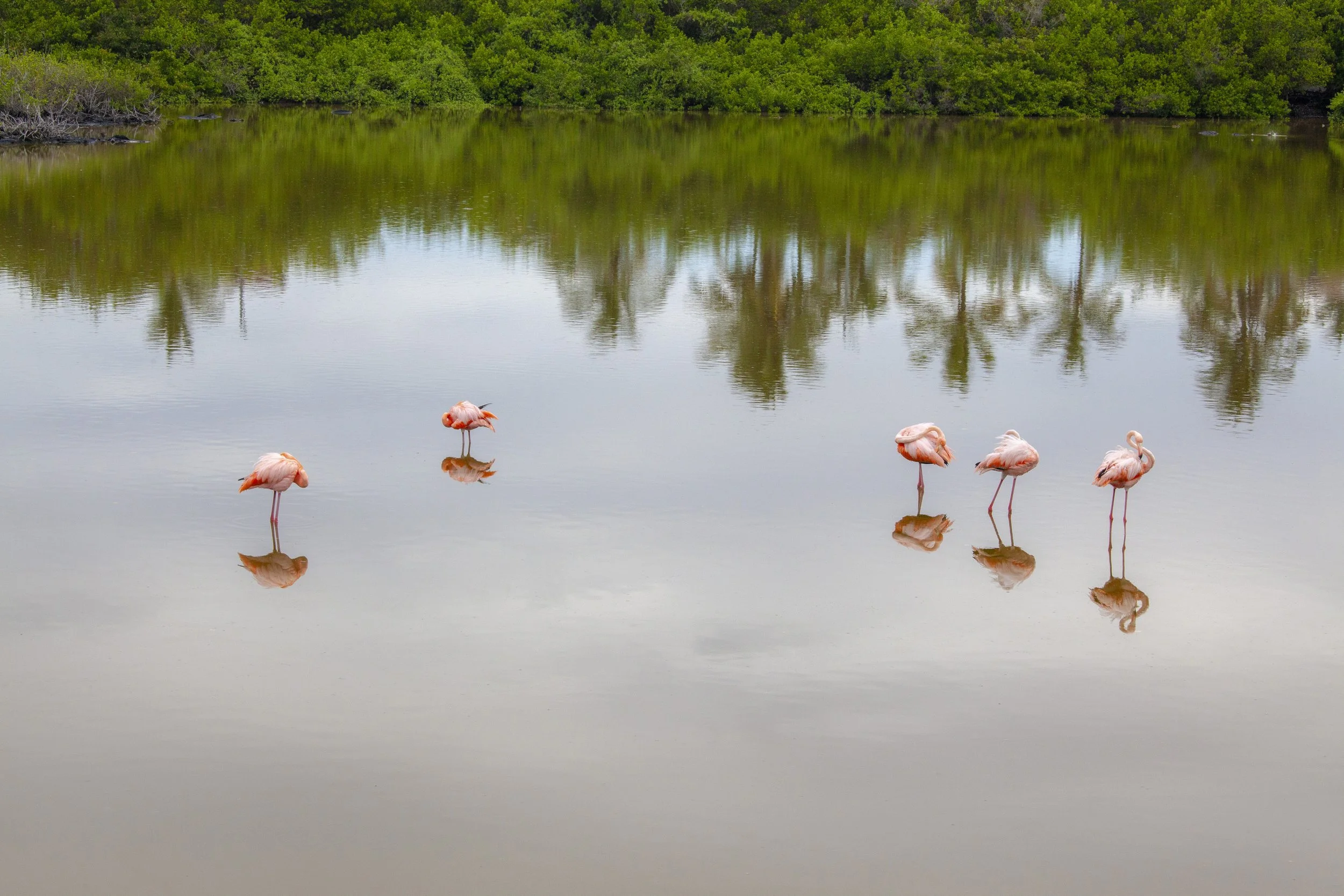
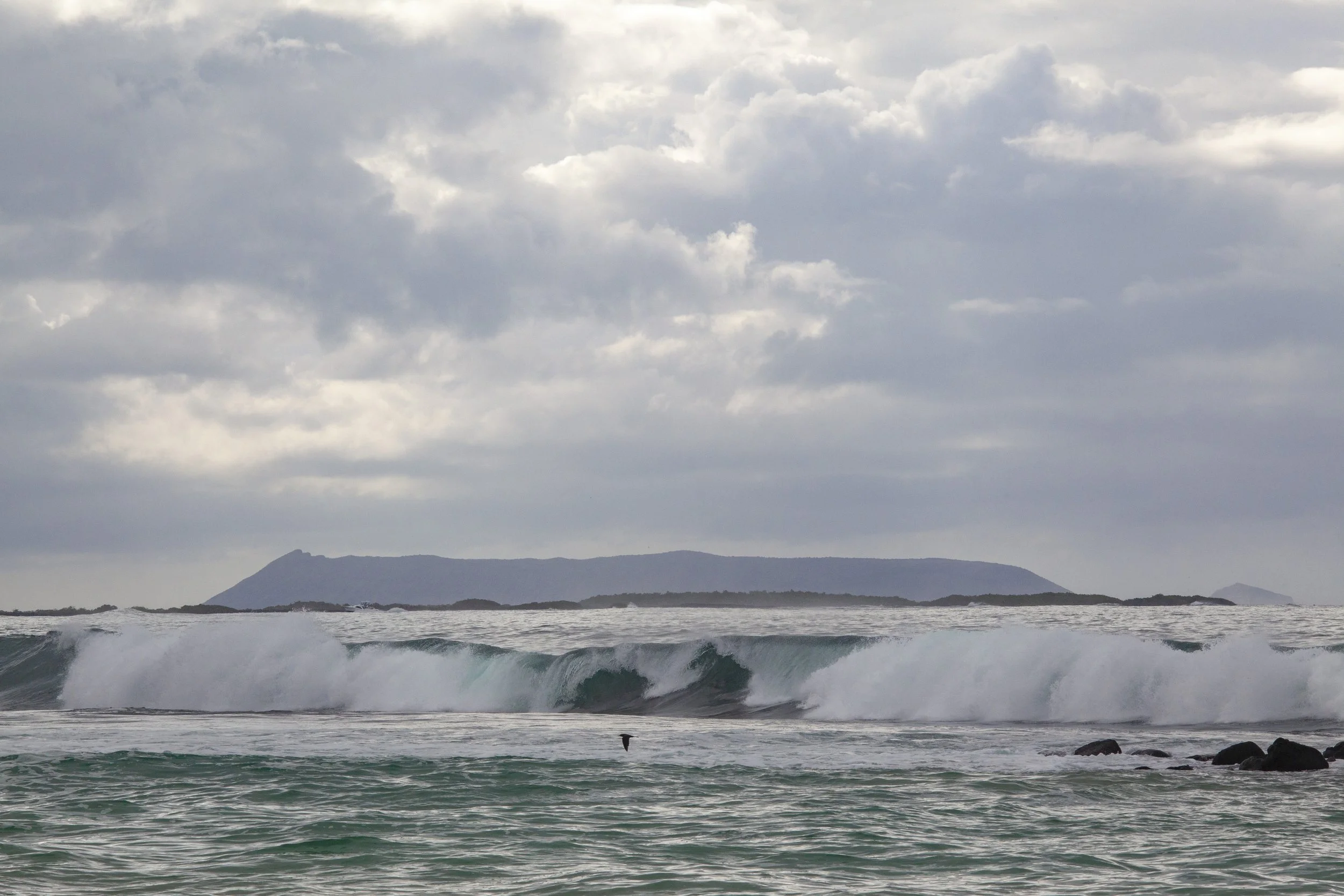
Isabela, the largest island in the archipelago by area, has a rawer, less-visited feel. It was formed by the merging of six shield volcanoes, and the volcanic drama is still very much present — Wolf Volcano last erupted as recently as 2022. The western coast is one of the best places in the world to spot flightless cormorants and Galápagos penguins, two creatures that exist nowhere else on earth. The town of Puerto Villamil is small and quiet, with flamingo lagoons, turquoise bays, and walls of black lava rock that give the island an almost primal atmosphere. Together, these two islands capture the essential paradox of the Galápagos: a place shaped by fire and isolation that somehow became one of the most life-abundant corners of the planet.